
The Ultimate Guide to Bivvy Bags
Posted by Andy Neil on Sep 01, 2026
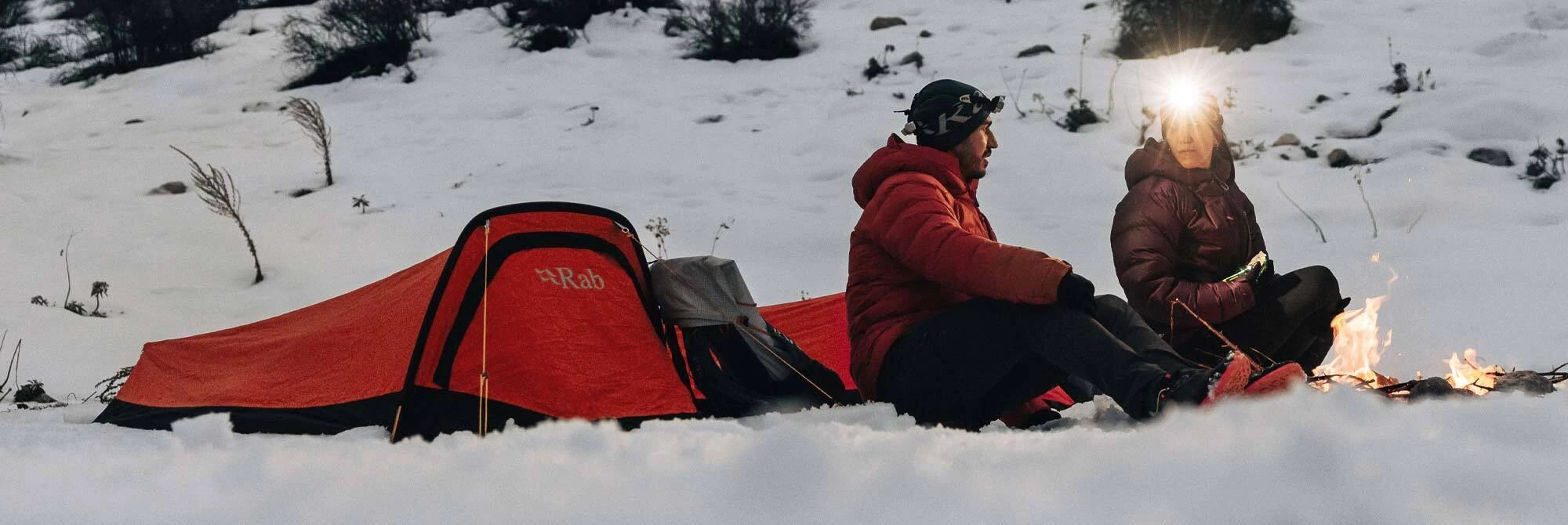
Choosing a bivvy bag can seem simple at first glance, but there are several important factors depending on how and where you plan to use it. Bivvy bags are one of the lightest and most straightforward shelter options available. They are popular with long-distance runners, fastpackers, bikepackers, and minimalist wild campers who want reliable weather protection without the weight of a traditional tent.
Here at Ultralight Outdoor Gear, we weigh every piece of equipment ourselves, including bivvy bags. Manufacturer weights can sometimes be inaccurate, so we unpack each product and place it on our own scales to give you the most accurate information possible. The weights we quote do not include stuff sacks or pegs, as many people prefer to store items directly in their rucksack to save space and weight.
What Is a Bivvy Bag?
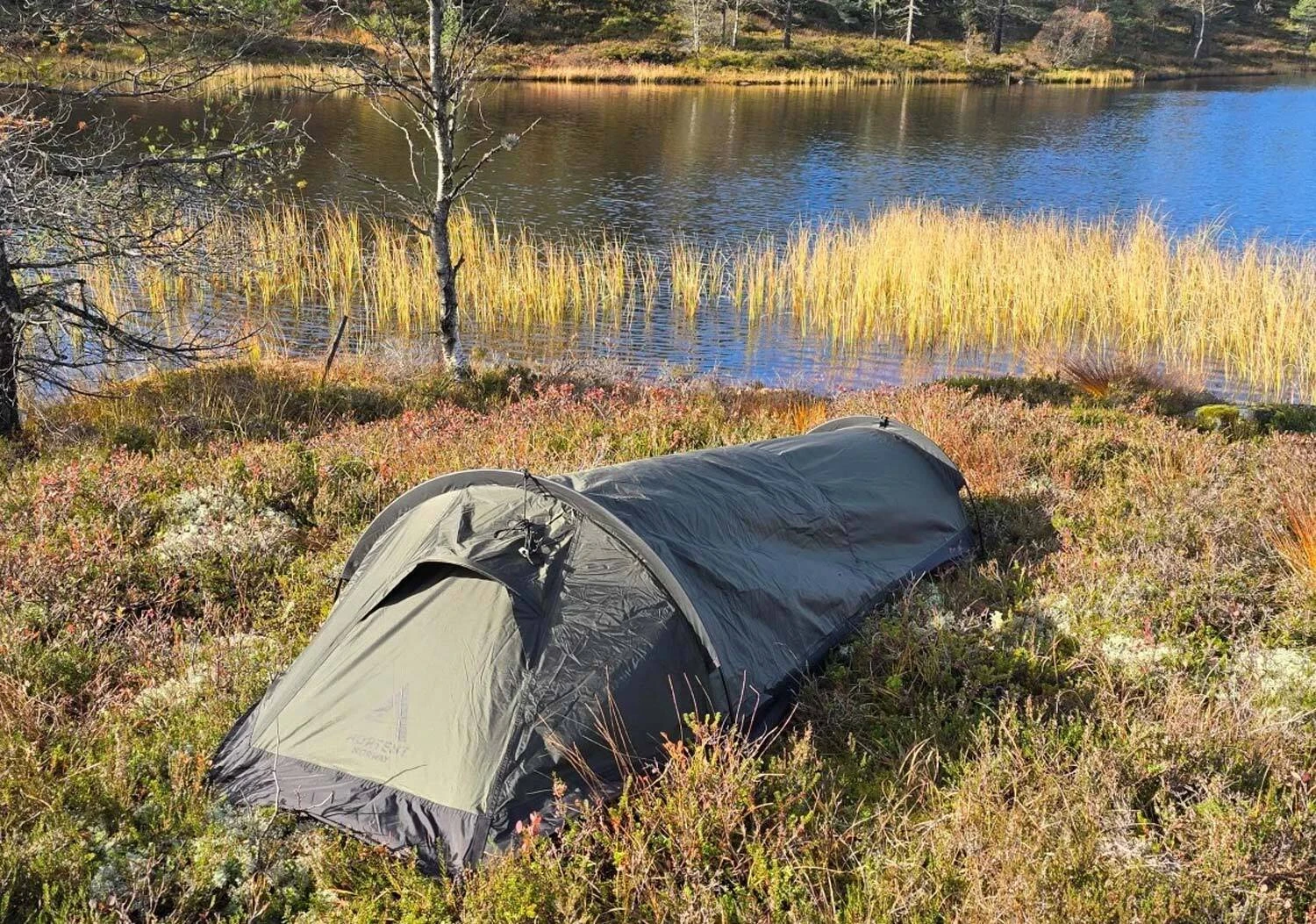
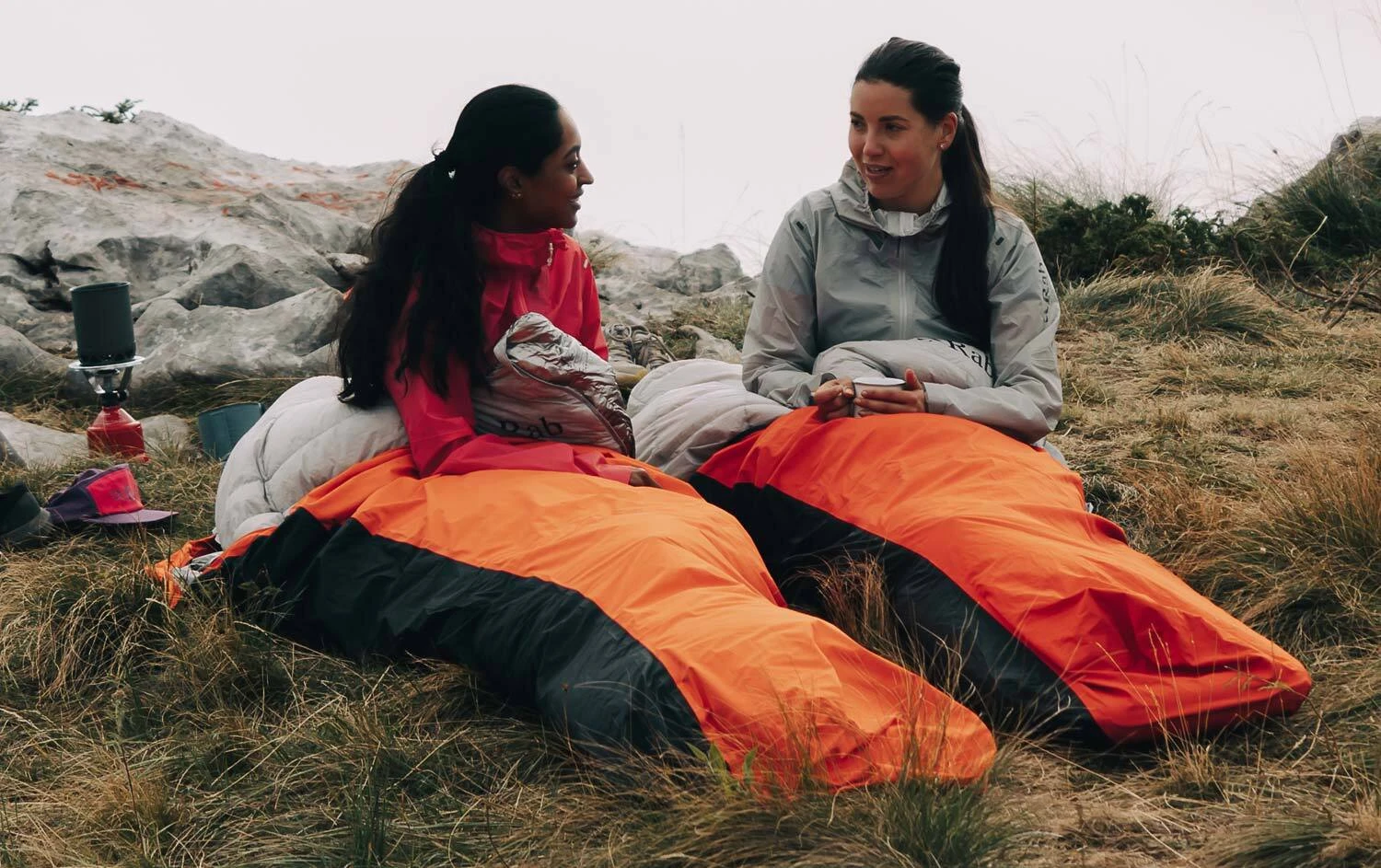
A bivvy bag, short for bivouac sack, is a weatherproof shell that goes over your sleeping bag and sleeping mat. It provides protection from rain, wind and ground moisture while keeping your shelter extremely compact.
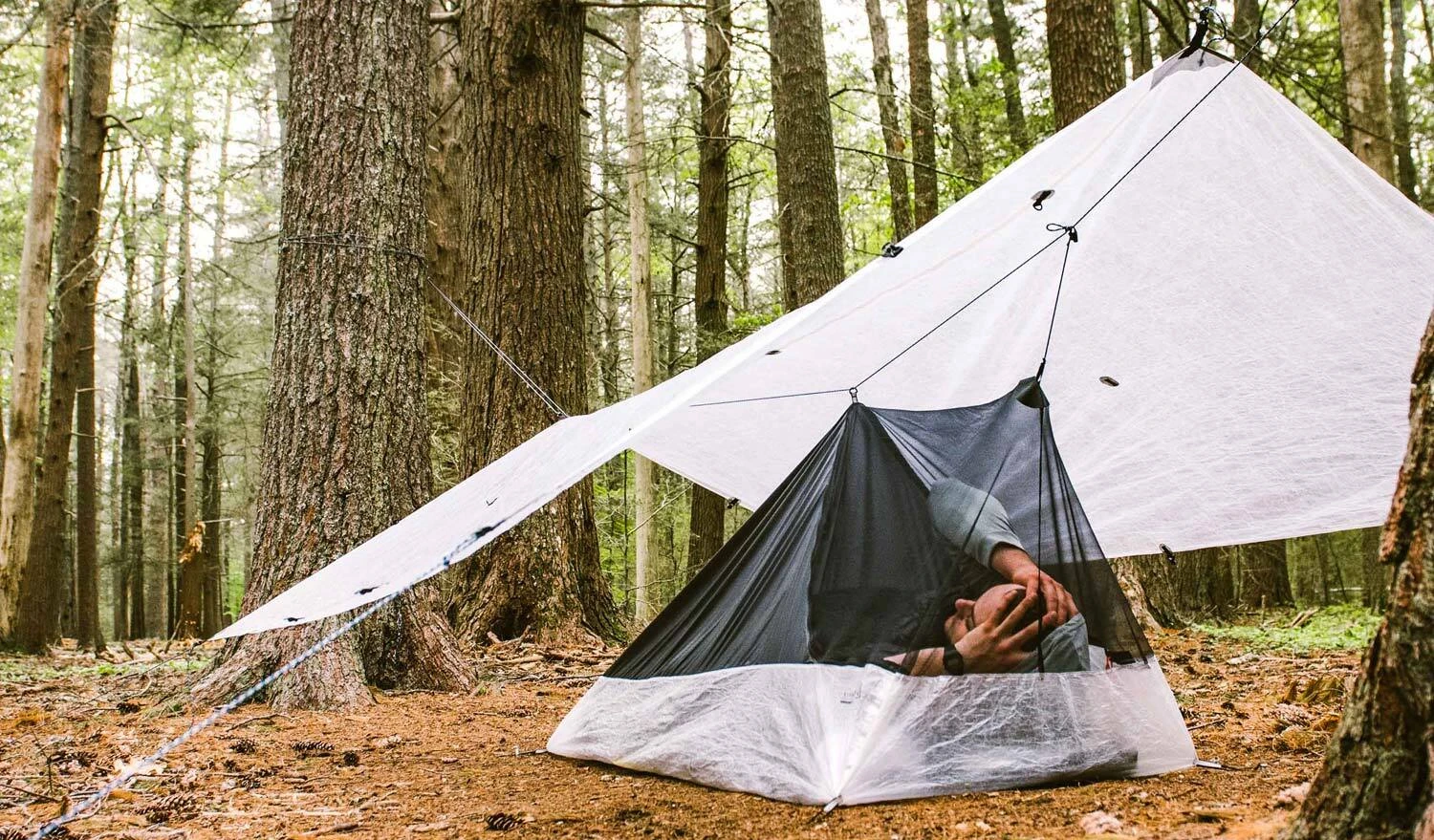
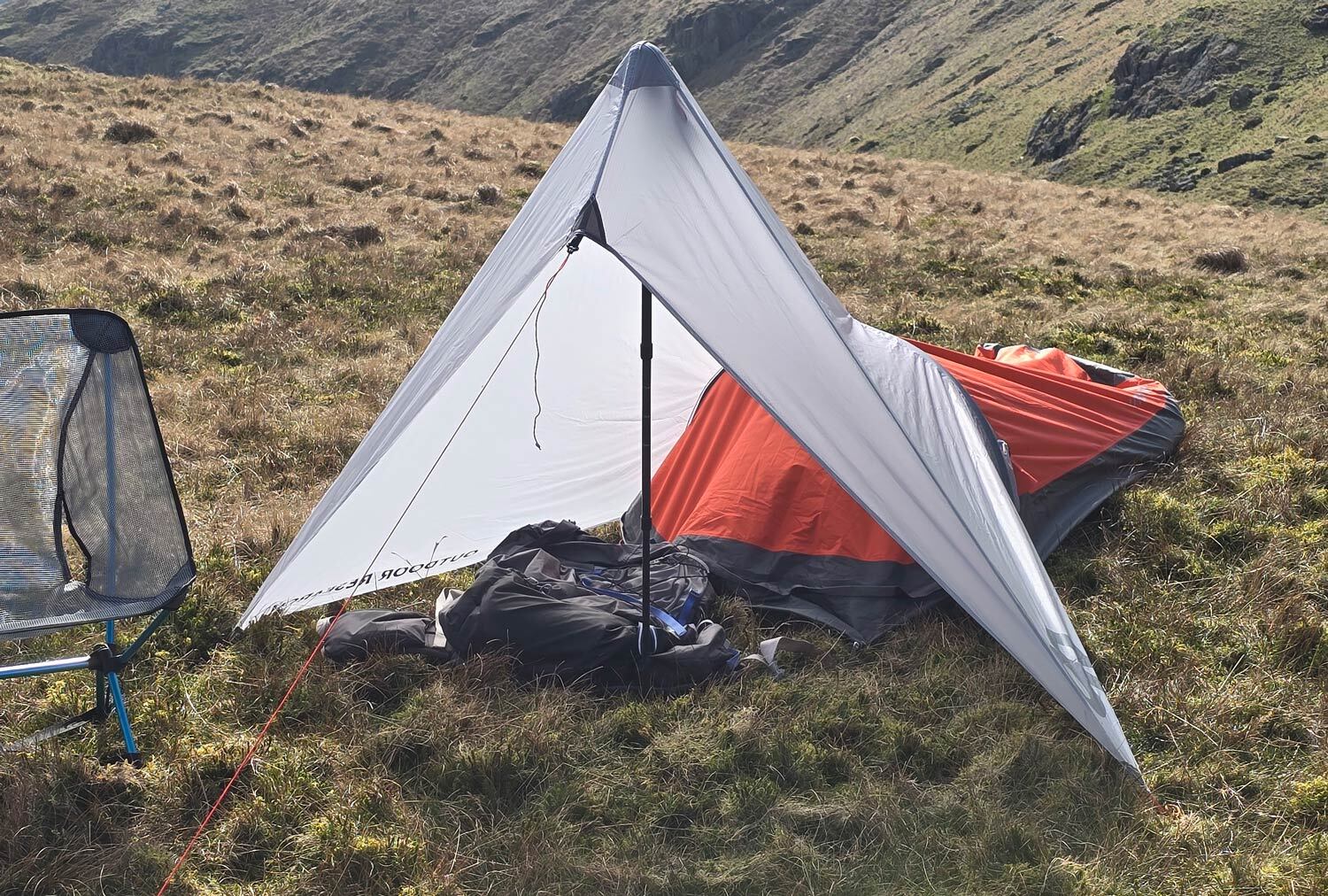
Bivvy bags are typically used in situations where carrying a tent is unnecessary or impractical. Some people also use a bivvy bag alongside a tarp to create a flexible shelter system that offers more protection in poor weather or the hot sun, while remaining very lightweight.
Types of Bivvy Bags Explained
Bivvy bags come in several styles, each designed for a slightly different use. While they all share the same basic idea of providing a lightweight shelter around your sleeping system, the materials and features can vary widely.
Waterproof Bivvy Bags
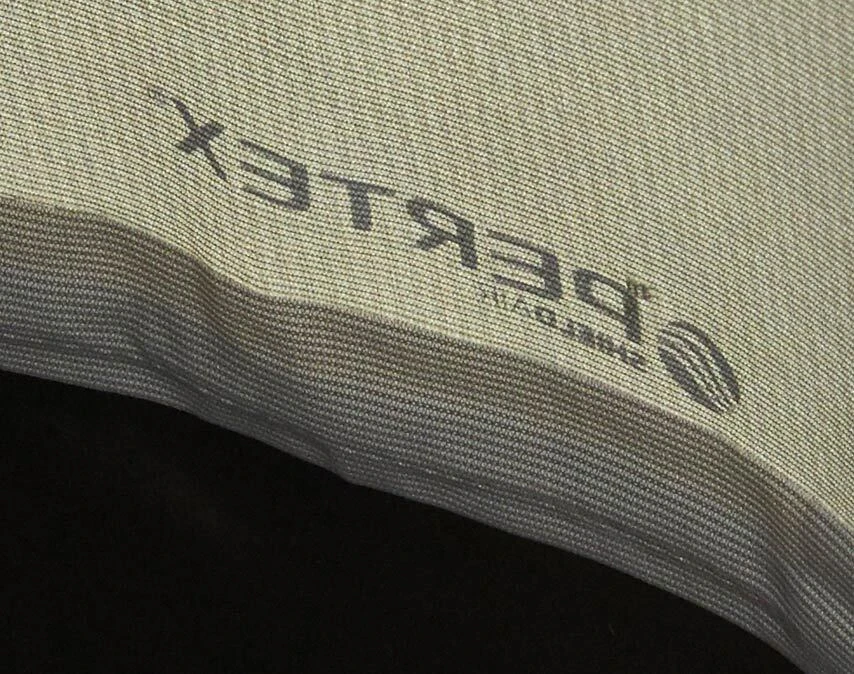
Waterproof bivvy bags provide full weather protection and can be used on their own without additional shelter. They are typically made from breathable, waterproof fabrics such as Gore-Tex or similar membranes that block rain and wind while allowing moisture vapour to escape.
These ultralight bivvies are commonly used in exposed mountain environments or by wild campers who want a very simple shelter system. They tend to be heavier than other types of bivvy bags but offer the most protection from the elements.
Water Resistant Bivvy Bags
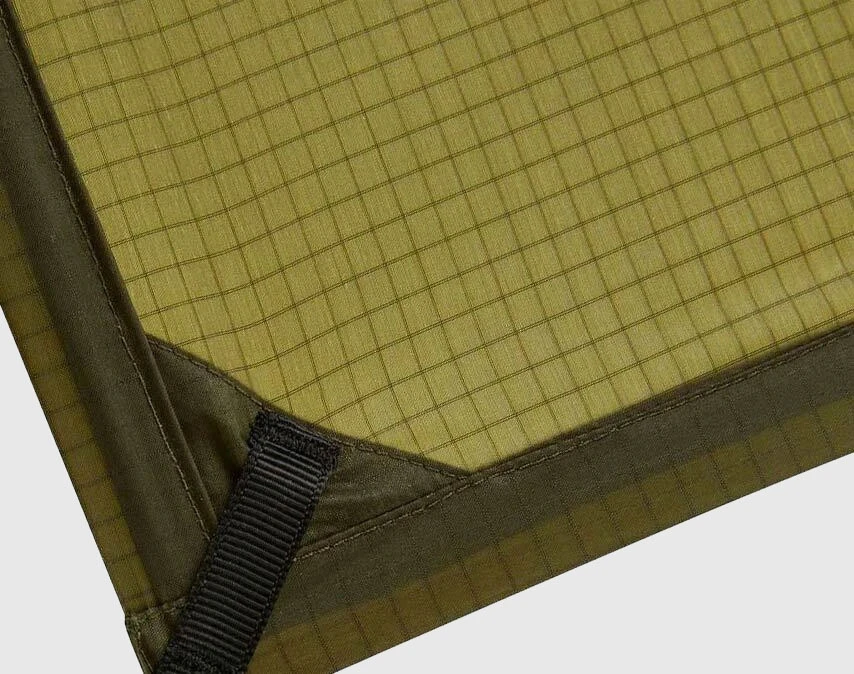
Water-resistant bivvy bags are lighter and often more breathable than fully waterproof designs. Rather than handling sustained rainfall, they are intended to protect your sleeping bag from dew, ground moisture and light drizzle.
They are most often used under a tarp or shelter, where the bivvy serves as a protective layer for your sleeping system. For many lightweight backpackers, this combination provides a good balance between protection and low pack weight.
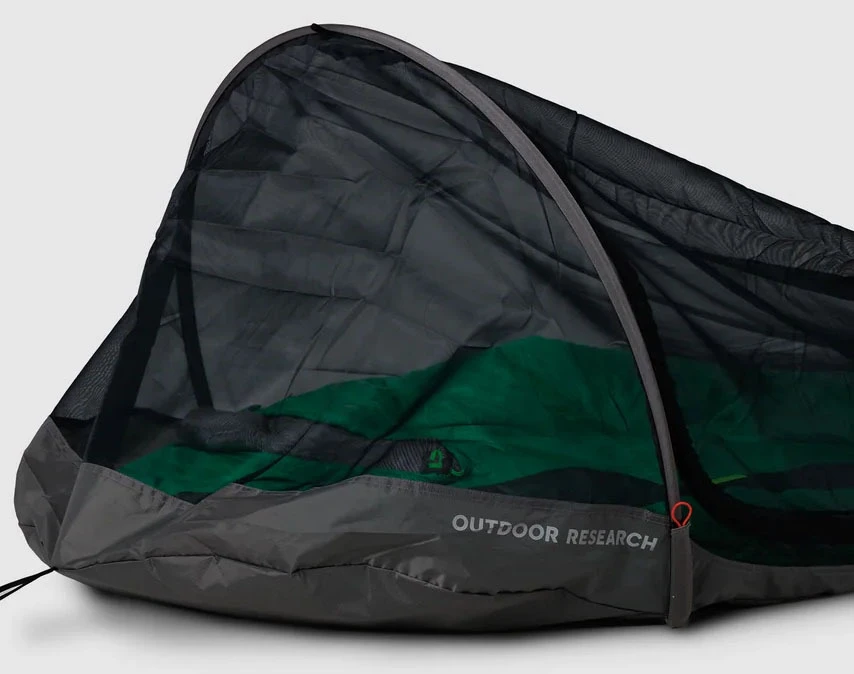
Bug Bivvies
Bug bivvies are designed primarily to keep insects away while you sleep. They are typically made with large-mesh panels that provide maximum ventilation and visibility, and a lightweight fabric floor to protect your sleeping mat and bag.
These are particularly useful in warmer climates, especially during summer, when insects can be a problem. Bug bivvies are often paired with a tarp to provide rain protection while maintaining excellent airflow.
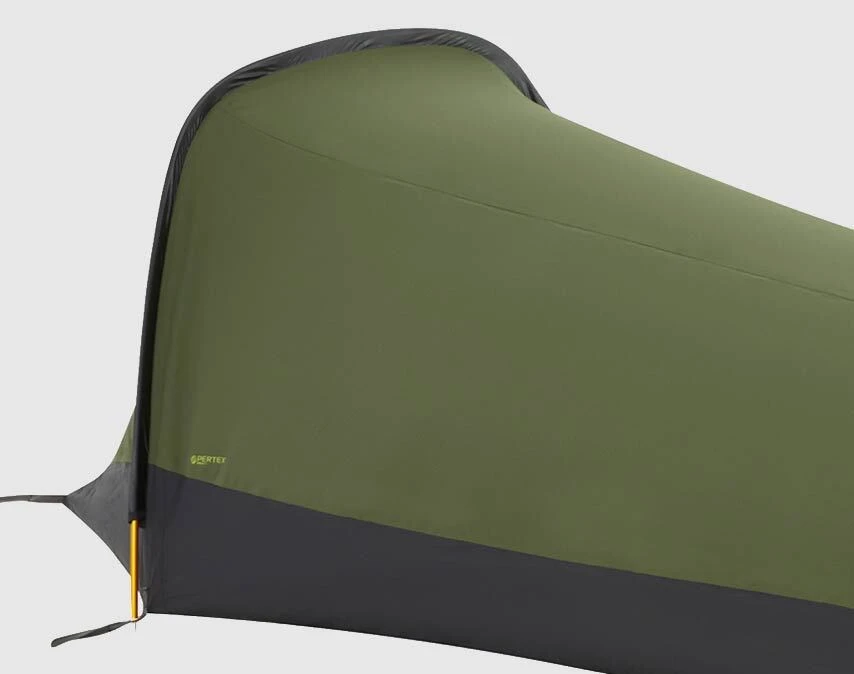
Hooped Bivvy Bags
Some bivvy bags include a small pole or hoop at the head end, which lifts the fabric away from your face, creating a small pocket of space that improves ventilation and reduces the feeling of claustrophobia.
Hooped bivvies are generally more comfortable for longer nights as they allow you to keep the face area partially open while remaining protected from the weather. They do add a small amount of weight compared to minimalist designs, but can significantly improve comfort.
Bivvy Bag Breathability and Condensation
Condensation is an important consideration when discussing bivvy bags. Because the shelter sits very close to your body and sleeping bag, moisture from your breath and body heat can build up inside the bag overnight.
Modern bivvy bags use breathable fabrics to reduce this, allowing moisture vapour to escape while still blocking rain from entering. Venting options such as mesh panels, face openings or small poles to lift the fabric away from your face can also improve airflow.
While condensation can still occur in certain conditions, good ventilation and breathable fabrics make modern bivvy bags far more comfortable than earlier designs.
It is also worth considering the type of insulation in the sleeping bag you pair with a bivvy. Synthetic insulation tends to handle moisture better than down and will continue to provide warmth even if it becomes damp. Down sleeping bags are lighter and more compressible but are more sensitive to moisture, so they require a little more care when used inside a bivvy bag, where condensation can occur.
Minimalist vs Feature-Rich Bivvy Bags
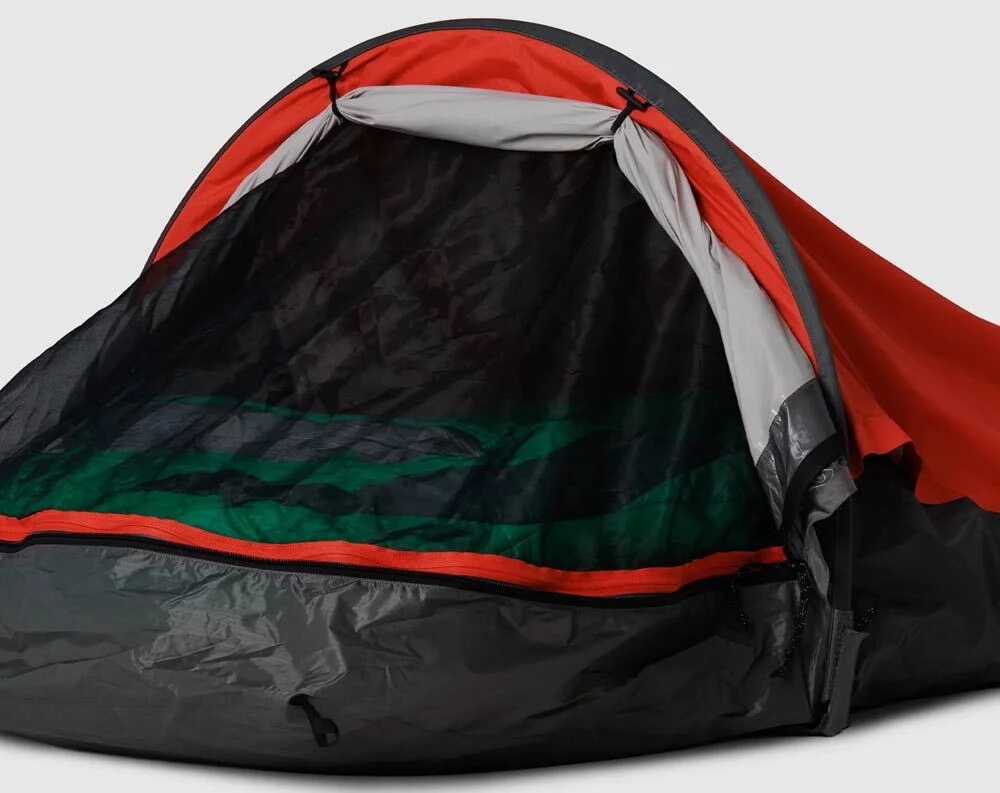
Some bivvy bags are extremely minimal, little more than a waterproof shell with a simple entry opening. These are ideal for fast, light travel, where the priority is to keep weight and pack size as low as possible.
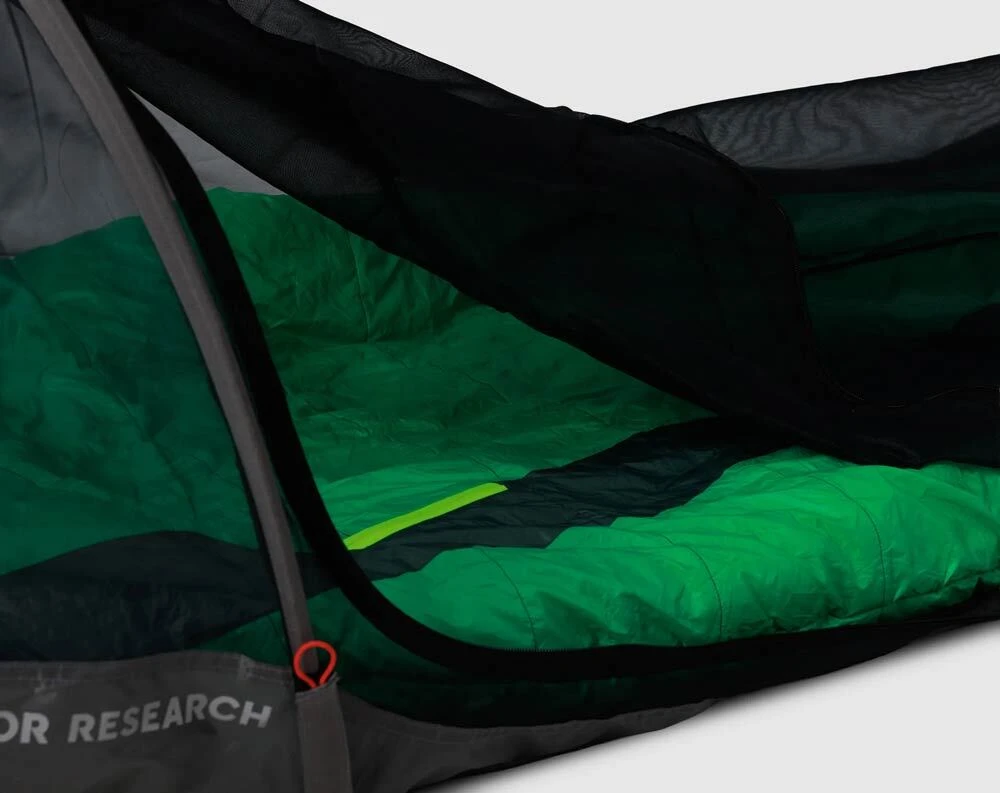
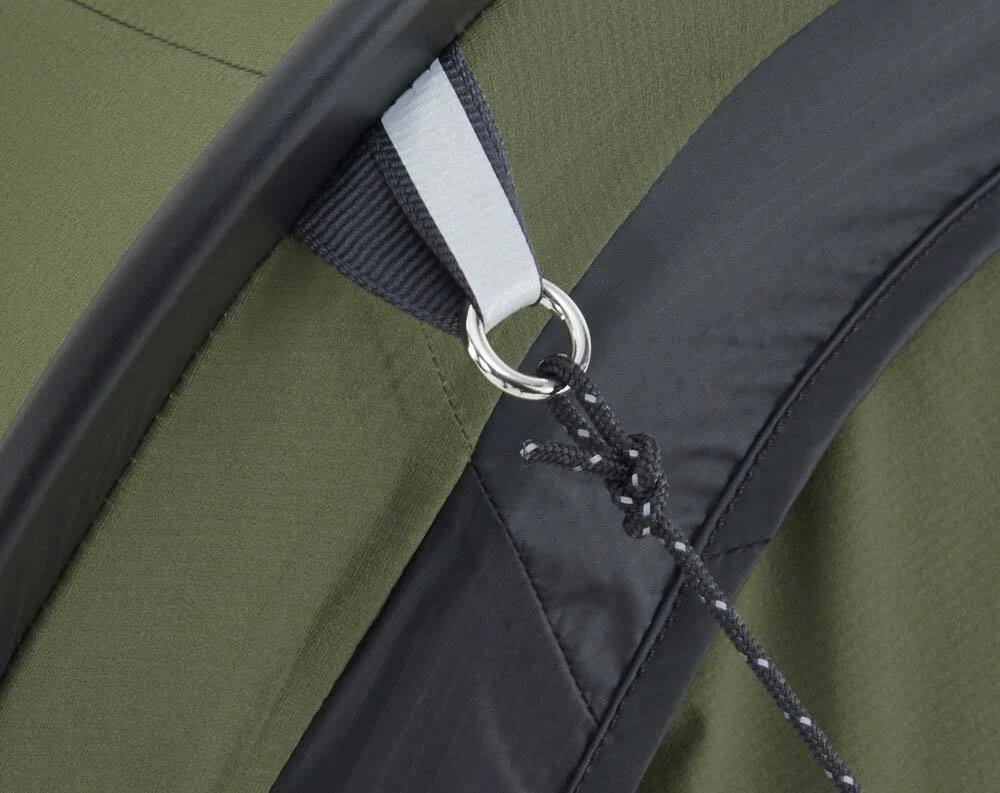
Other designs include additional features such as zip openings, mesh bug protection, internal pockets or reinforced floors. These features add comfort and usability but will slightly increase the weight.
Choosing between the two comes down to how you intend to use the bivvy bag and how much comfort you want when camping.
Using a Bivvy Bag with a Tarp
A common approach for lightweight backpackers is pairing a bivvy bag with a small tarp. The tarp provides overhead protection from rain, while the bivvy bag protects your sleeping system from wind, the sun, splashes, ground moisture, and most noticeably, insects, such as the dreaded slug.
This setup is popular among long-distance walkers because it offers excellent versatility. In good weather, you may only need the bivvy bag, while in poor weather, the tarp can be pitched to provide additional shelter.
It is a simple system that can weigh significantly less than a traditional tent while still offering reliable protection.
How to Choose the Right Bivvy Bag
The right bivvy bag depends largely on how you plan to use it.
For fastpacking or minimalist summer trips, a lightweight water-resistant bivvy used with a tarp can offer excellent weight savings while still protecting your sleeping system. For many people, this style of camping is one of the most direct ways to experience the outdoors, sleeping close to the landscape rather than shutting it out behind tent walls.
For more exposed environments or trips where you may rely entirely on the bivvy for shelter, a fully waterproof bivvy bag provides greater protection from the elements.
Features such as bug mesh, zip openings and hooped designs can also improve comfort, particularly for longer nights or trips where insects are likely to be a problem.
As with most lightweight gear choices, the best bivvy bag is the one that balances protection, weight and comfort for the conditions you expect to encounter.
Bivvy Bag vs Tent
While bivvy bags offer an incredibly lightweight and compact shelter option, they do have some limitations worth considering before choosing one for a trip.
One of the biggest trade-offs is the amount of livable space. A bivvy bag is primarily designed for sleeping rather than spending time in camp. Unlike a tent, there is no sheltered space to sit up, cook, organise gear or comfortably change clothes. If the weather turns poor, tasks that would normally be simple in a tent can become awkward or unpleasant when using a bivvy.
Spending extended periods inside a bivvy can also become tiring. In situations such as long winter nights or waiting out a storm, you are generally limited to lying down for long periods. Without the ability to sit up or move around comfortably, this can become uncomfortable over time.
Another consideration is cooking. With no vestibule or protected space, preparing a hot meal can be difficult in bad weather. Many people will need to cook entirely outside the bivvy.
Condensation can also be more noticeable in bivvy bags than in double-skin tents. Although modern fabrics are far more breathable than older designs, moisture can still build up inside the bag in certain conditions, particularly in cold or humid environments.
It is also worth noting that many modern one-person tents now weigh well under 1 kilogram, while offering far more usable space and protection from the elements. Because of this, the weight savings of a bivvy bag, especially when used with a tarp, may not always justify the reduction in comfort on longer trips.
For these reasons, bivvy bags work best for minimalist overnight trips, fastpacking, mountain missions, or situations where simplicity and packability are the priorities. For longer journeys, especially in unpredictable weather, many people prefer the added comfort and protection of a lightweight tent.
You can explore our full range of bivvy bags at Ultralight Outdoor Gear, where every product is independently weighed and measured by our team.
 |
||
 |
||
| Andy Neil |
||
|
Andy has been a keen long-distance hiker and wild camping enthusiast since he completed the Cleveland Way in 2015. Since then, he has walked thousands of trail miles all over the UK and is an active member of the Wild Camping UK community, being an admin of the largest wild camping community on Facebook. He strongly advocates for responsible wild camping and believes it is important to leave no trace when camping in the wilderness. He joined the UOG team in 2021 and works as a website developer and content creator. |
||
Choosing a bivvy bag can seem simple at first glance, but there are several important factors depending on how and where you plan to use it. Bivvy bags are one of the lightest and most straightforward shelter options available. They are popular with long-distance runners, fastpackers, bikepackers, and minimalist wild campers who want reliable weather protection without the weight of a traditional tent.