
Why you should switch to reusable bottles for thru hiking and backpacking
Posted by Danny Pearson on Jul 27, 2026
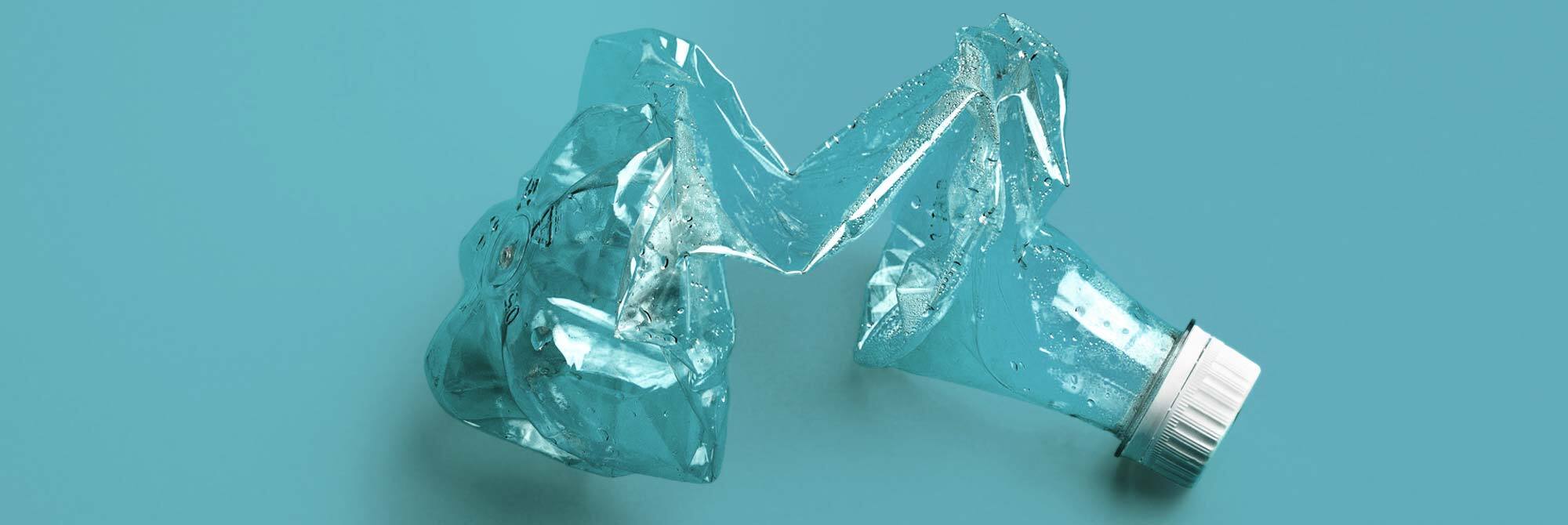
I’ll be honest; in researching this article I’ve been shocked at the potential issues from the reuse of PET bottles. What I’ve discovered will change my habits beyond just backpacking.
For years, the Smartwater single use PET bottle has been synonymous with ultralight backpacking. Plenty of companies make rucksack shoulder pouches specifically to fit a Smartwater bottle.

PET (polyethylene terephthalate) is a thermoplastic polyester used to make most disposable beverage bottles, including Smartwater. It’s valued because it’s strong, clear, lightweight, and easy to mould but it’s chemically designed for single‑use packaging, not long‑term reuse.
PET bottles are much lighter than a Nalgene, the traditional backpacking bottle in the past. People argue that reusing single use bottles is sustainable and the best option for the environment.
You might want to have a rethink and switch to a reusable bottle after reading this. There are several reasons for making the move to reusable bottles but number one for me is the negative health implication of long-term re-use of PET bottles.
PET bottles are designed to be used once and then recycled when empty. The material is simply not designed for multiple uses over a long period.
Here’s a list of reasons to ditch your PET Smartwater bottle:
1. Microplastic Shedding
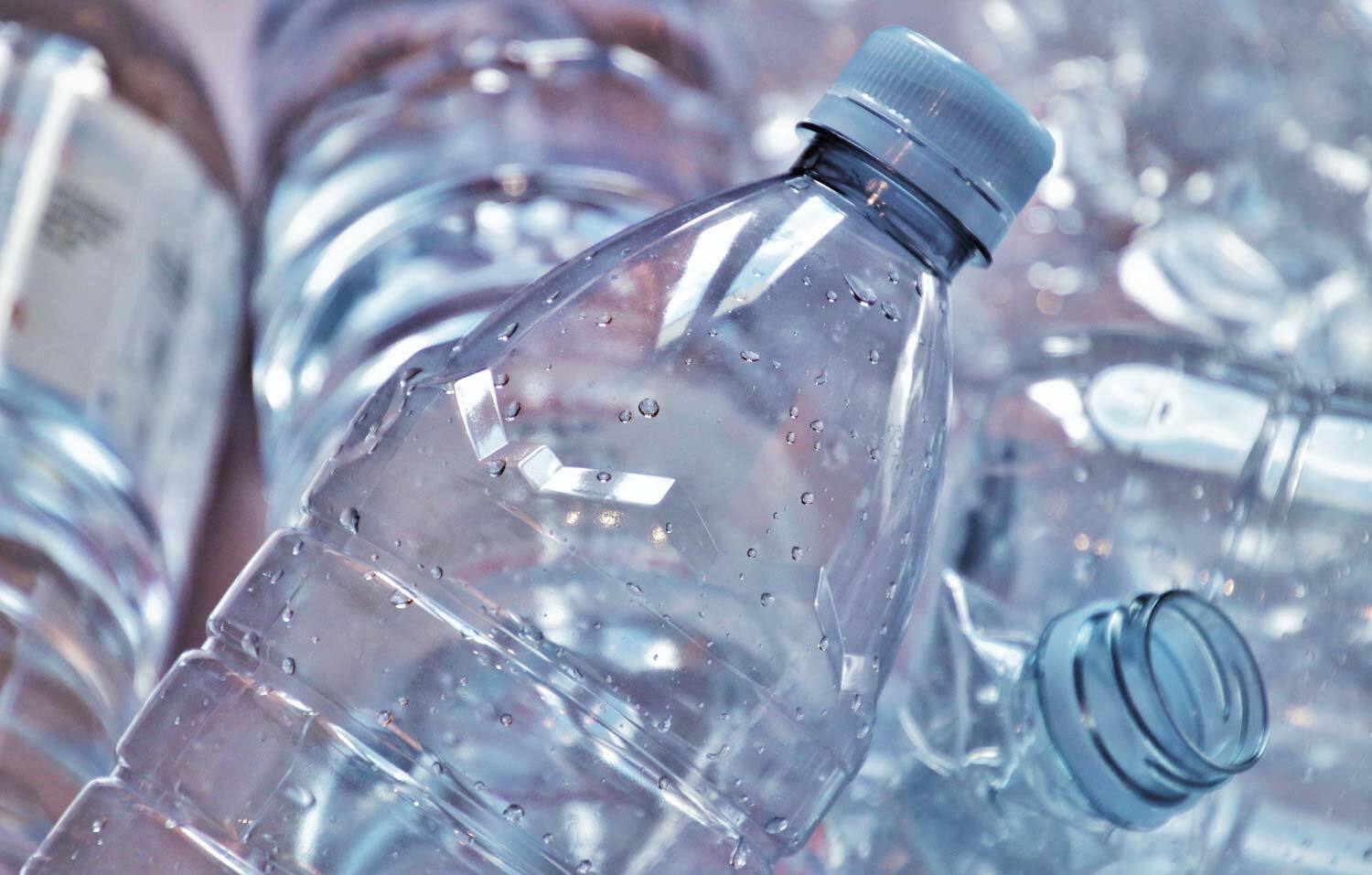
PET bottles shed plastic particles even on the first use. A new PET bottle of water will contain roughly 200,000 to 300,000 nanoplastic particles per litre and 100 to 1000 microplastic particles. This is from a brand new bottle that has never used before.
The shedding of plastic increases exponentially with additional uses.
Sunlight, UV, heat, squeezing and handling all increase the release of more plastic particles. A heavily reused bottle will have approximately 10x to 50x more nanoplastics than a new bottle!! So, you could be consuming 6 to 45 million plastic particles every day of a hike. That’s scary numbers.
Microplastics and nanoplastics have been detected throughout the body, in the blood, lungs, heart, breast milk, brain tissue and testes.
Even worse, the plastics can absorb chemicals making them even more harmful.
Plastic particles have been linked to infertility, cardiovascular disease, cellular damage, inflammation and endocrine disruption. We still don’t really know the full impact of plastics in the body.
2. Chemical Leaching
PET bottles don’t just shed plastic; they leach chemicals too. Up to 150 different chemicals migrate from PET bottles into the contents of the bottle. Everyone supports recycling as a sustainable option, but bottles made with recycled PET can leach even more chemicals due to contamination during the recycling process.
Chemical migration increases significantly with heat cycling (hot days/ cold nights), UV radiation from sunlight, long term reuse and repeated squeezing. All things you would expect to happen on a thru hike.
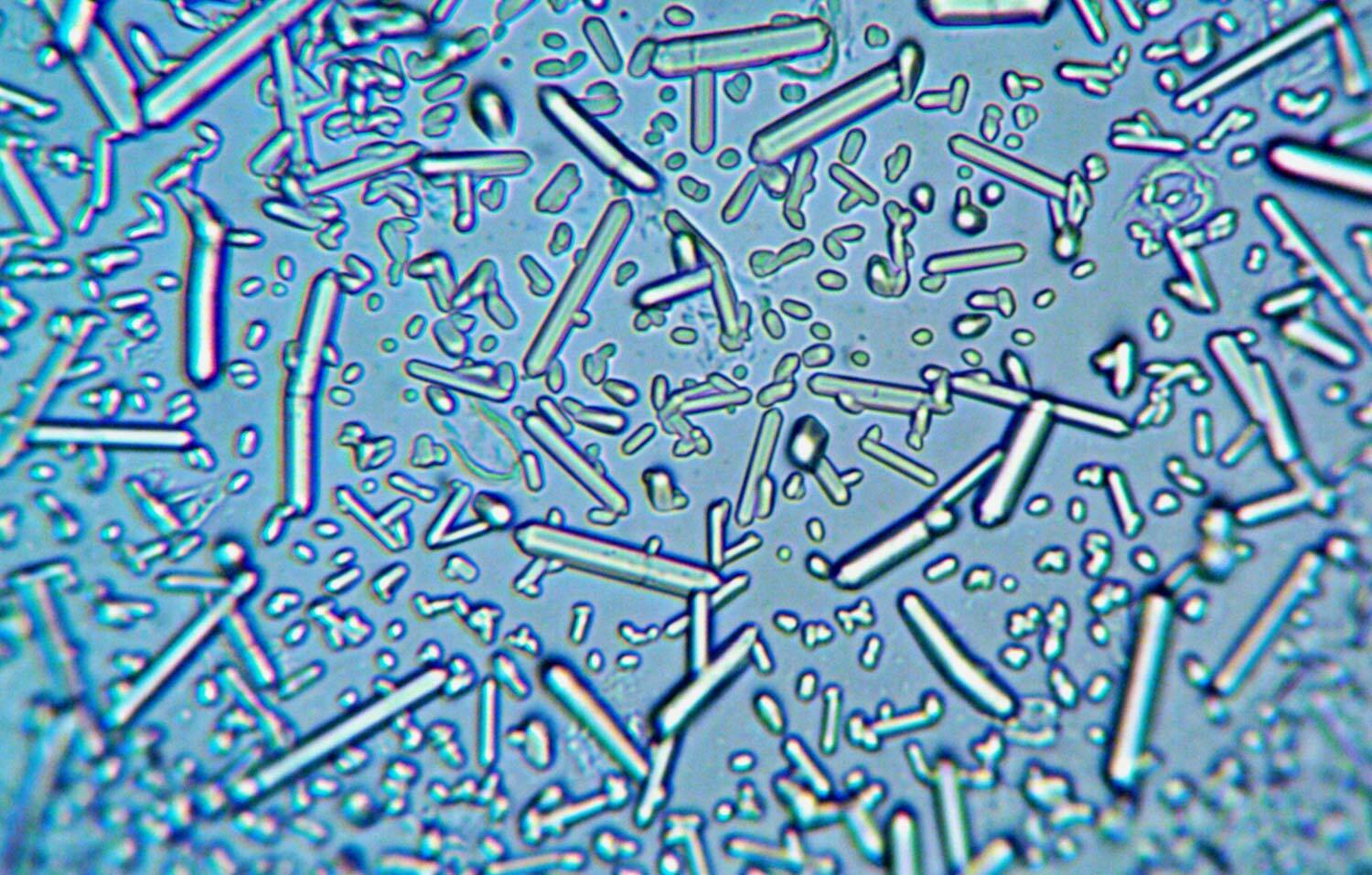
Chemicals found in the contents of PET bottles include:
● Phthalates, plasticisers linked to hormone disruption and fertility issues. Levels rise with reuse and temperature cycling.
● Antimony – a catalyst in PET manufacturing - associated with cardiovascular and respiratory issues.
● Bisphenols – found in recycled PET and linked to hormone and reproductive issues.
● Organophosphate Esters (OPEs) - flame retardant‑related compounds found in PET bottles.
● PFAS (forever chemicals).
● Benzene – consistently found in recycled PET bottles. A known carcinogen.
3. Durability
PET bottles are designed to be used once and recycled. With long term use they can suffer from cracked threads, creased sidewalls and UV brittleness.
Additionally, they can crack in freezing conditions. You want a water bottle that you can rely on, especially on waterless stretches where a bottle failure could be dangerous.
4. Environmental Impact
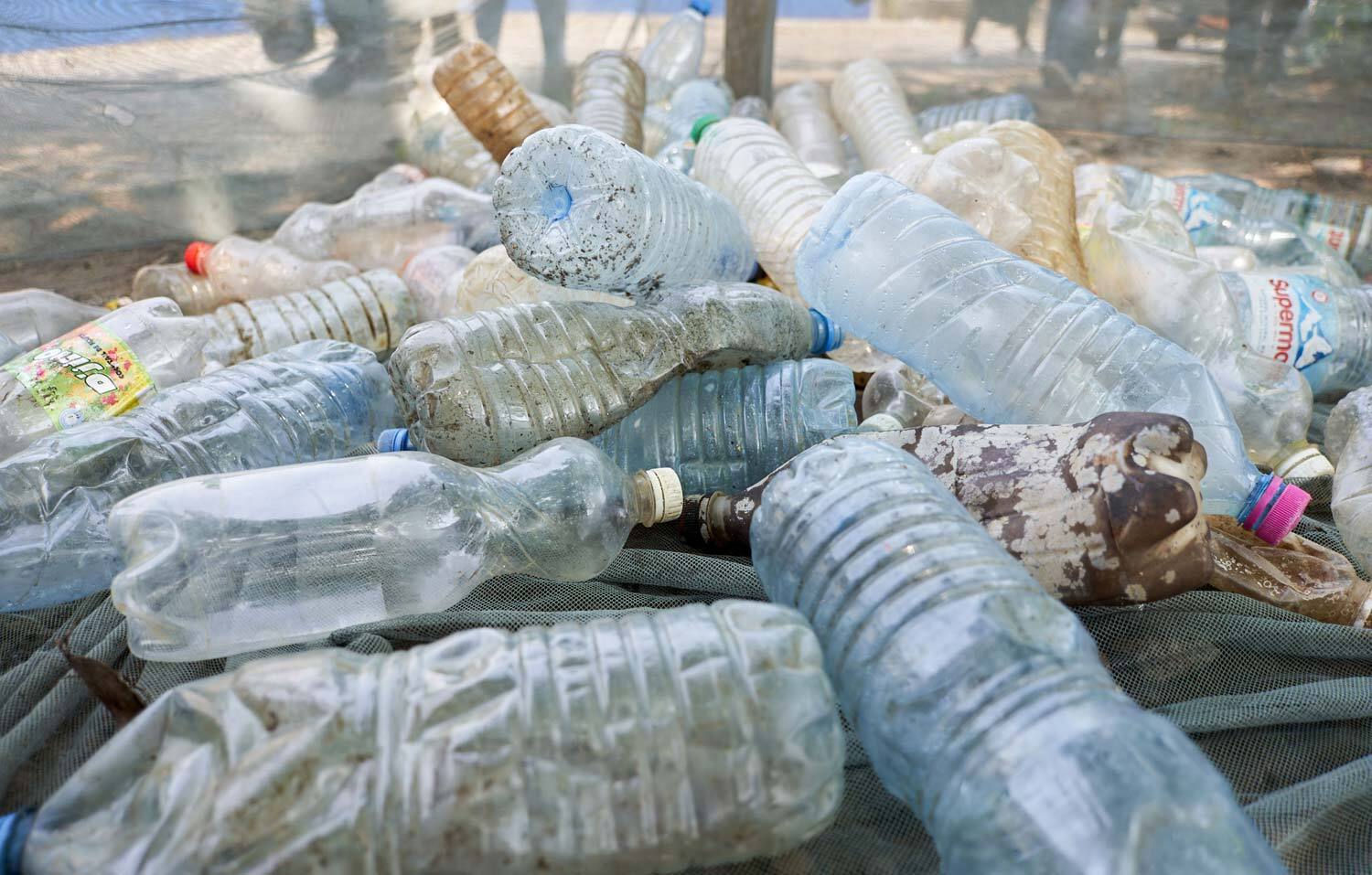
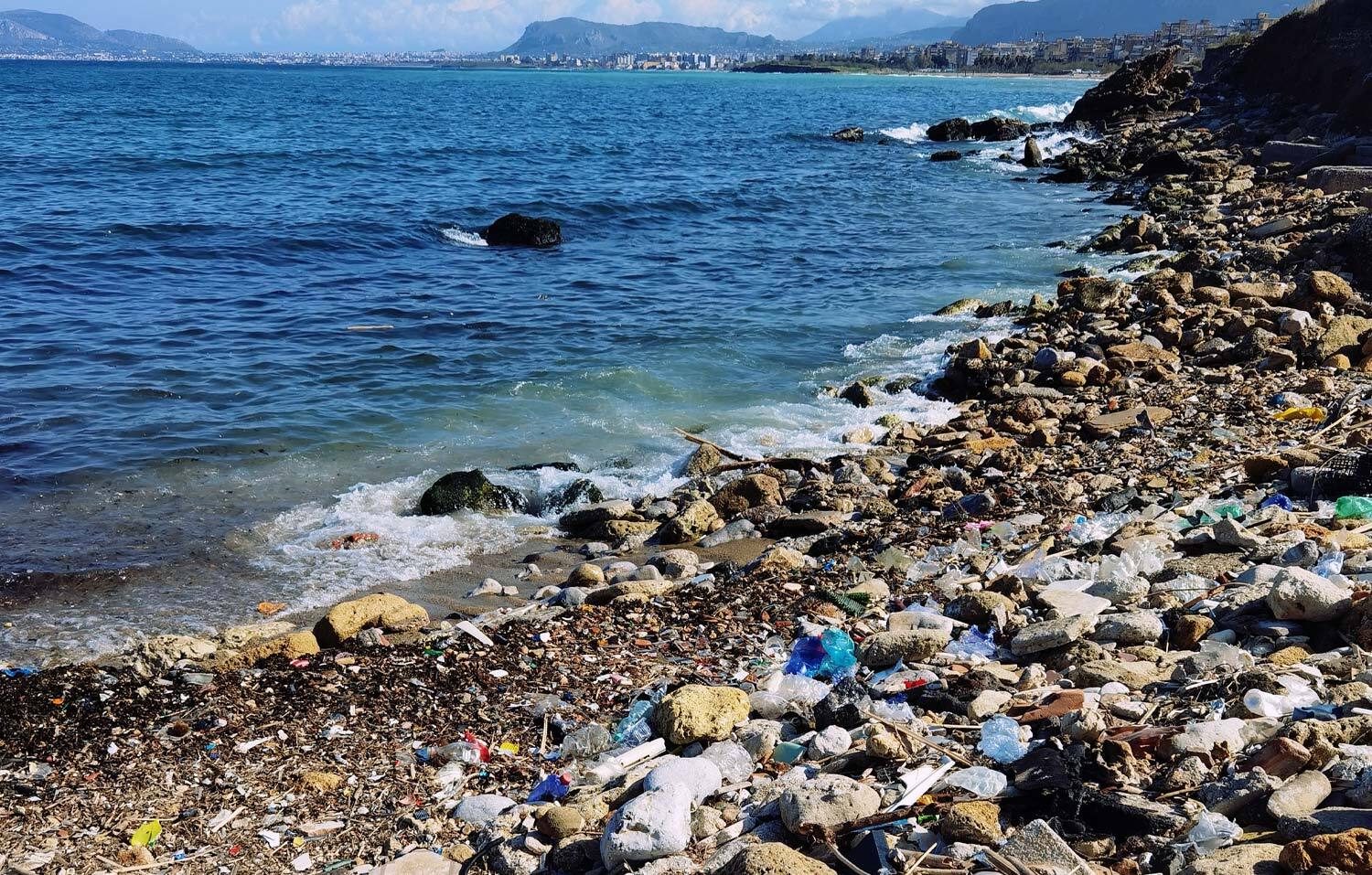
If the bottle is shedding plastics, that’s not just into the water that you are drinking but into the environment too.
A key principle of hiking is to leave no trace, and this doesn’t seem to be compatible with that philosophy.
Support cottage brands who are committed to making a sustainable product that can be safely used for a long period.
5. Can’t Handle Hot Water
PET can’t handle water that’s more than about 50°C to 70°C. Above that it will lose its shape, distort and leach even higher amounts of chemicals.
Ditch the PET
Try one of the excellent reusable bottles that are available at UOG. These bottles are more durable and chemically stable so will last longer whilst being safer!

● Material – HDPE
● Weight – 62g
● Volume – 1 Litre
● Squeezable for water filters
● Almost the same diameter as a Smartwater 1L bottle so fits many bottle holsters
● Pull tag to aid removal from pockets
● Tethered Cap
● Embossed measurement lines
● Material – LDPE
● Weight – 115g / 139g
● Volume – 700ml or 1 Litre
Light but tough
● Large and small openings – Large for easy cleaning or filling & Small for drinking and water filters
● Designed Miranda Webster, a well-known thru hiker
● Great choice of colours to brighten your water bottle
● Printed measurement markers
● Material – HDPE
● Weight – 68g
● Volume – 1 Litre
● Tethered cap so you won’t lose it
● Easily squeezable to help with water filters
● Boil safe so can be used as a hot water bottle
● Carbonised measurement markers that won’t rub off
Article References
Published Feb 20, 2024 / Chemical Science International Journal
Published Jul 8, 2020, Environmental Science and Pollution Research
3. Does mechanical stress cause microplastic release from plastic water bottles
Published Dec 2019, Water Research
4. Smaller-sized micro-plastics (MPs) contamination in single-use PET-bottled water in Thailand
Feb 8, 2020 The Science of the Total Environment
5. Unpacking the complexity of the PET drink bottles value chain: A chemicals perspective
Mar 2022 Journal of Hazardous Materials
Royal Society of Chemistry
World Health Organization (WHO)
9. Plastic particles in bottled water
National Institutes of Health, USA 2024
10. Rapid single-particle chemical imaging of nanoplastics by SRS microscopy
Proceedings of National Academy Sciences, USA 2024
The Science of the Total Environment Jan 2025
12. Exposed to extreme heat, plastic bottles may ultimately become unsafe
National Geographic July 2019
13. Plastic Water Bottle Health and Microplastics
New York Times July 2025
Water Research Volume 295, 1 May 2026
Science of The Total Environment Volume 842, 10 October 2022, 156859
Environmental Pollution Volume 390, 1 February 2026
17. Microplastic release from flexible food packaging: Effects of simulants and package structure
Journal of Hazardous Materials Volume 514, 1 August 2026
18. Plastic bottles for chilled carbonated beverages as a source of microplastics and nanoplastics
Water Research Volume 242, 15 August 2023
19. Unexpected possible consequences of plastic packaging reuse
Current Opinion in Food Science Volume 56, April 2024
20. Why we should not reuse plastic water bottles
Eco Business 9 Feb 2023 - Sarva Mangala Praveena, Faculty of Medicine and Health Sciences,
Universiti Putra Malaysia
21. Nano- and Microplastics in Single-Use Plastic Water Bottles: A Review of Occurrence, Health
Risks, and Regulatory Needs
Pollutants March 2026
22. The Effect of Different Storage Conditions for Refilled Plastic Drink Bottles on the
Concentration of Microplastic Release in Water
October 2022 Journal for Research in Applied Sciences and Biotechnology
23. Neurotoxic Effects of Nanoplastics: Current Evidence and Mechanistic Insights
Toxics April 2026
 |
||
 |
||
| Danny Pearson |
||
|
Dan is a keen distance walker who loves to geek over the latest gear. In the last few years, Dan has completed a couple of TGO Challenge crossings of Scotland, GR221 in Mallorca, Dales High Route and Hadrian’s Wall plus countless other self-planned routes. A keen mountain biker but finds he doesn’t bounce so well these days when the inevitable happens. |
||
I’ll be honest; in researching this article I’ve been shocked at the potential issues from the reuse of PET bottles. What I’ve discovered will change my habits beyond just backpacking. For years, the Smartwater single use PET bottle has been synonymous with ultralight backpacking. Plenty of companies make rucksack shoulder pouches specifically to fit a Smartwater bottle. PET (polyethylene terephthalate) is a thermoplastic polyester used to make most disposable beverage bottles, including Smartwater.