
Durston vs Hyperlite Mountain Gear vs Gossamer Gear: Which ultralight tent should you choose?
12th Nov 2026
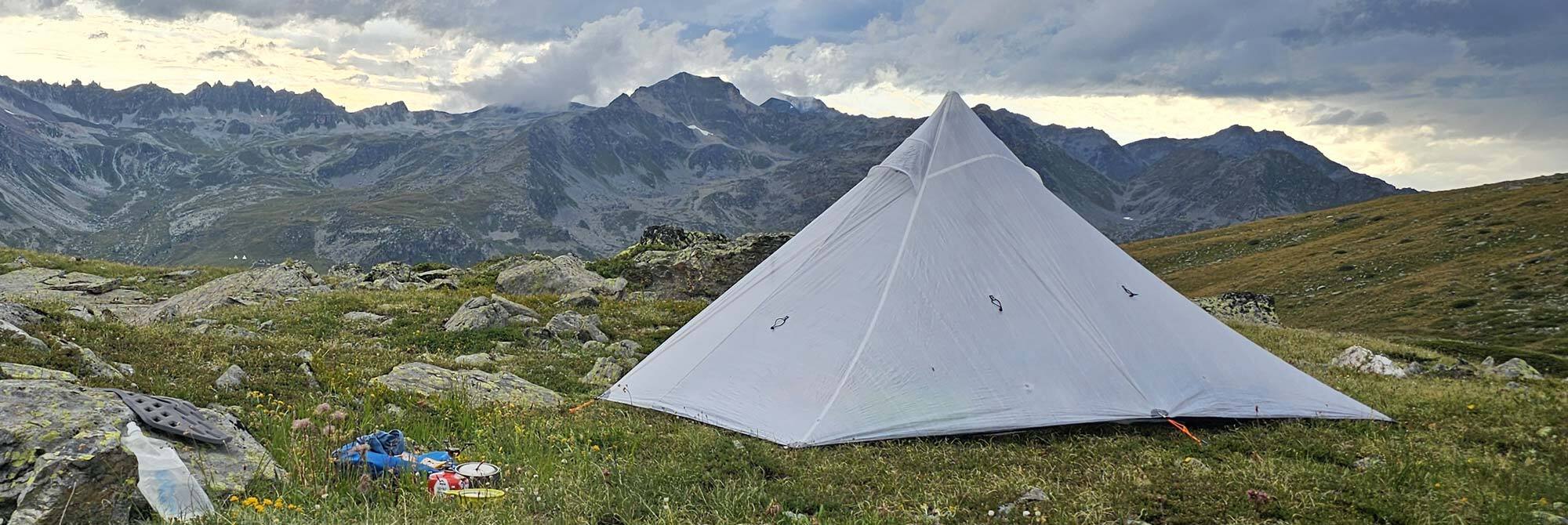
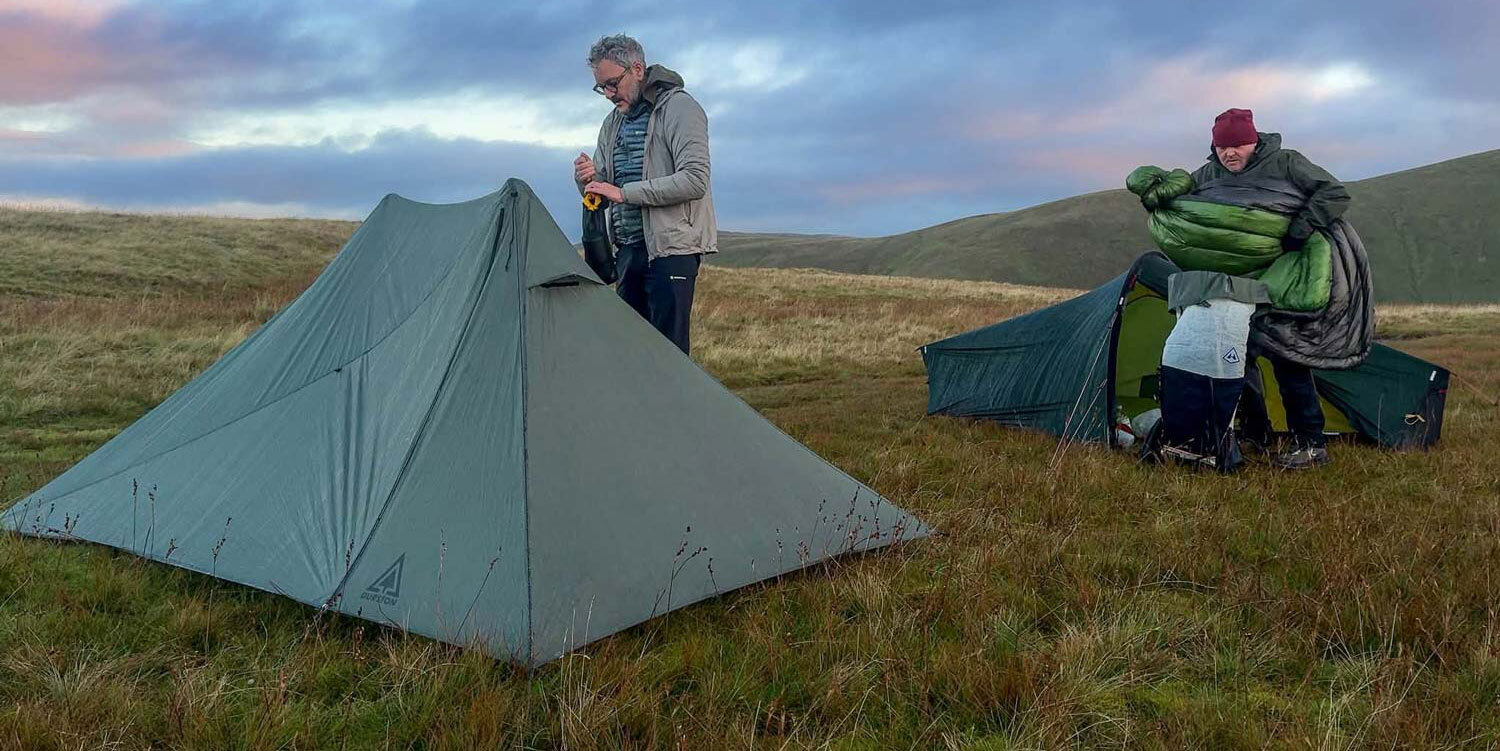
Durston, Hyperlite Mountain Gear and Gossamer Gear make some of the lightest backpacking tents available, but they approach it differently. Some prioritise the lowest possible weight, others offer more space, more vestibules, or a separate inner, and the materials used can also make a big difference to the weight and price.
The right choice depends on how you camp, how much space you want, whether you prefer a separate inner, how you feel about trekking-pole shelters and how much weight you are really trying to save.
Durstons Mid 1 Pro
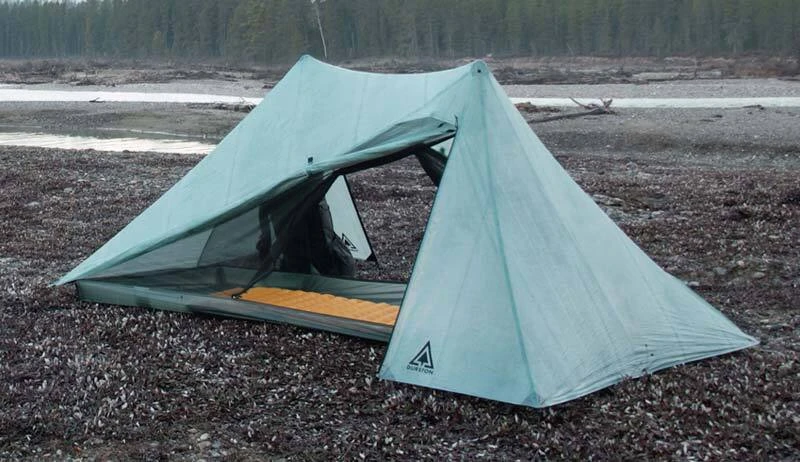
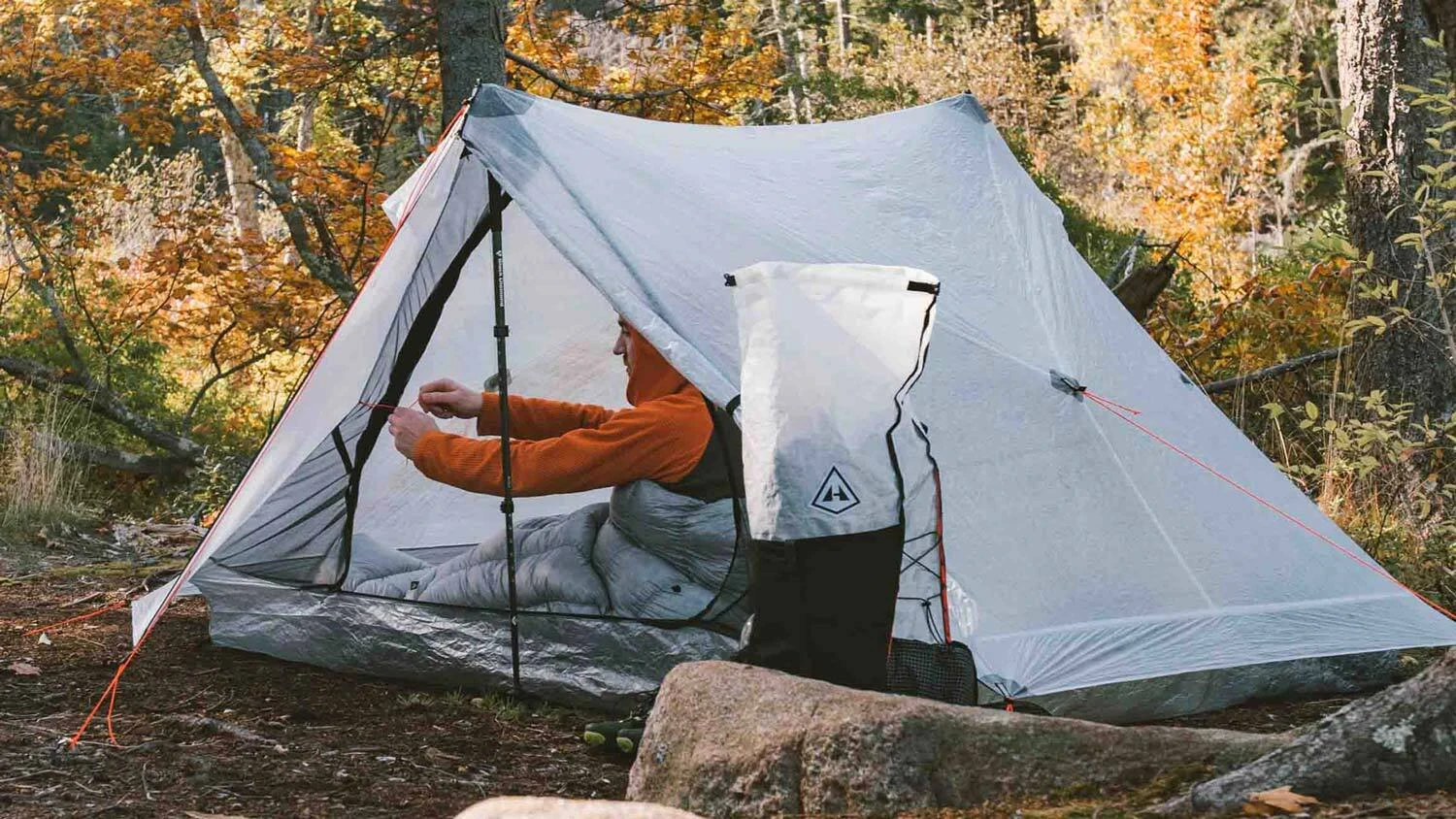
Hyperlite Mountain Gear Mid 1
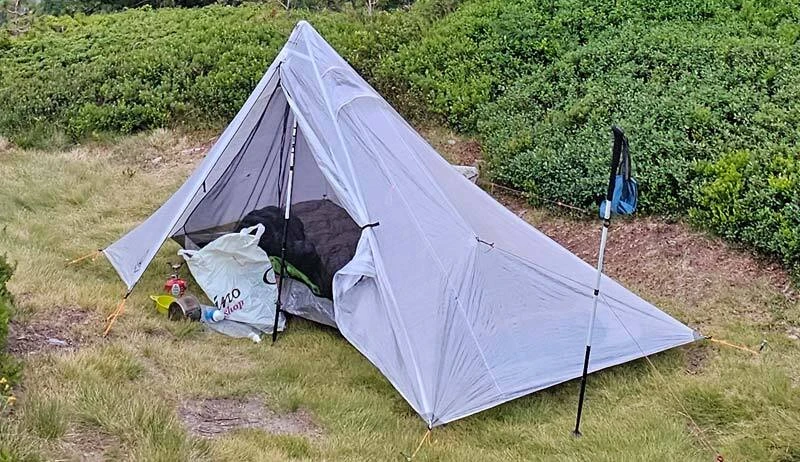
Gossamar Gear The One
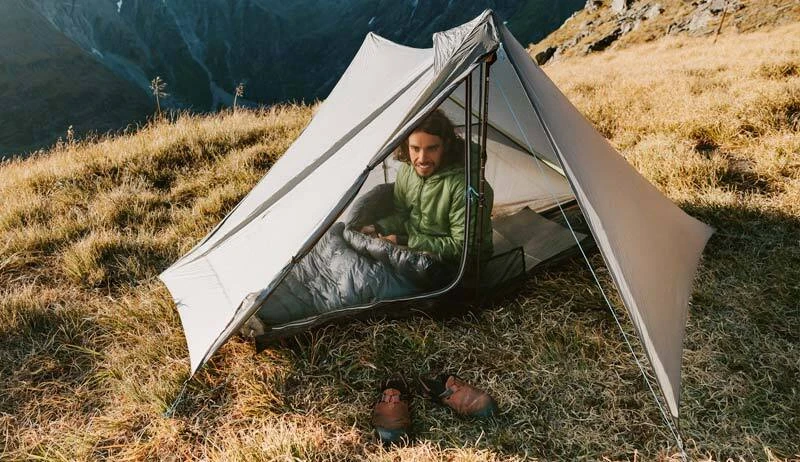
Lightest solo trekking-pole tents
The two lightest solo trekking-pole tents here are the Hyperlite Mountain Gear Mid 1 at 450g and the Durston X-Mid Pro 1 at 490g with the woven floor.
The Mid 1 uses a single trekking pole and has a long 244cm floor. I used one for a two-week TGO crossing and really liked the amount of vestibule space for my kit, being able to open the front right up to the view, and the incredibly generous head height. That does come with one caveat, though: you need a longer trekking pole to achieve the full pitch height.
The X-Mid Pro 1 uses two offset poles, which gives you more usable headroom through the tent, plus a door and vestibule on either side. Both tents use DCF for the canopy, which is a big part of how they get the weight this low, but it also pushes the price up considerably.
Gossamer Gear’s The One weighs 572g, slightly heavier than either DCF option, but the coated nylon construction keeps the price much lower. It is still a very light solo shelter, although the floor is shorter and tapers towards the foot, so it is worth checking the dimensions if you use a long or wide sleeping mat.
Durston X-Mid Pro 1 Tent
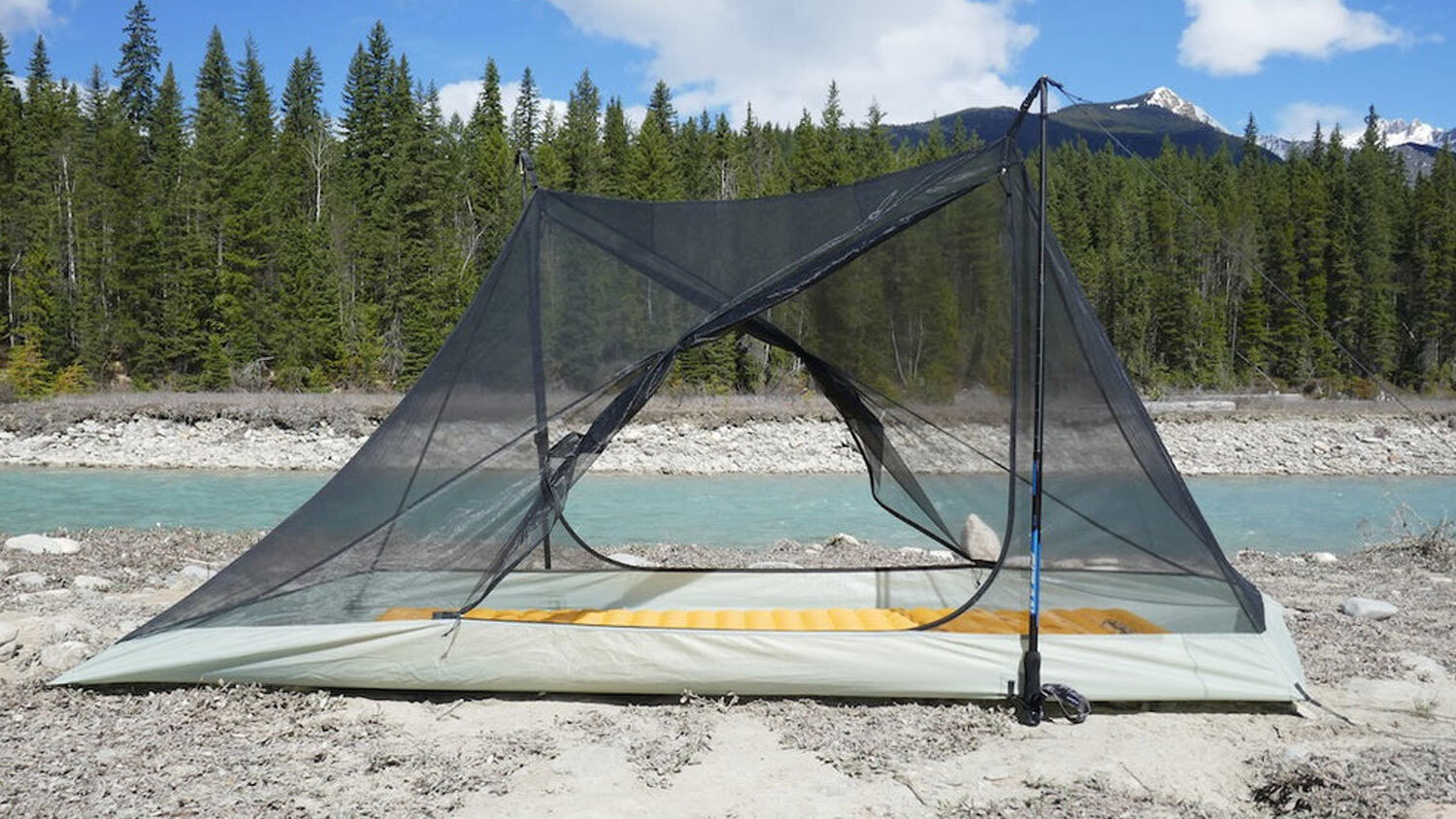
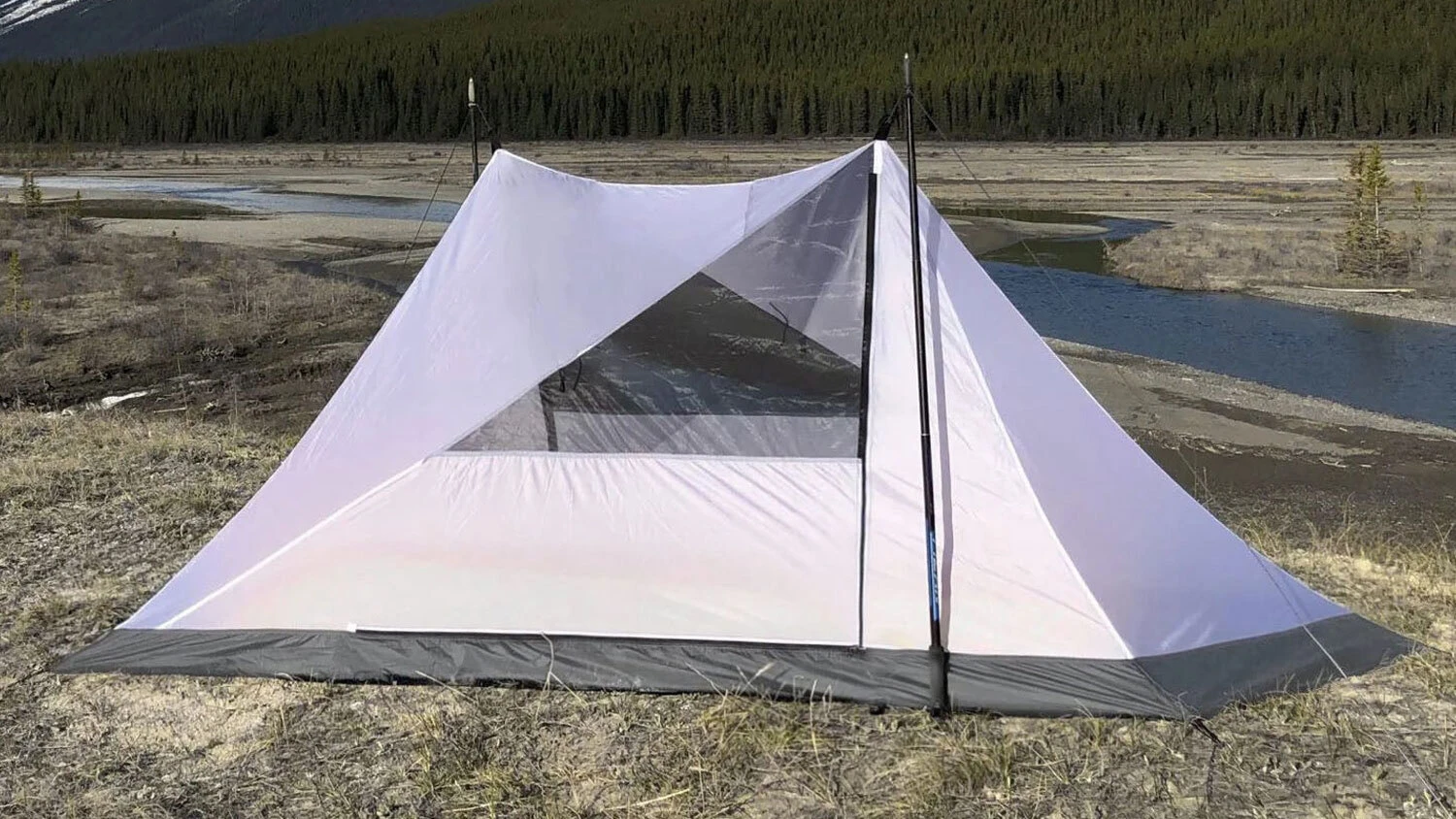
If you prefer a separate inner, Durston also has the X-Mid 1 at 808g and X-Mid 1 Solid at 873g. The standard version uses a mesh inner, while the Solid swaps much of that mesh for fabric to cut draughts on colder and more exposed pitches. You are carrying more weight, but you also get more separation from condensation on the fly.
Durston X-Mid 1 Inner
Durston X-Mid 1 Solid Inner
Lightest two-person trekking-pole tents
The Durston X-Mid Pro 2 is the lightest two-person tent here at 514g with the DCF floor or 567g with the woven floor. Its 117cm-wide floor fits one wide sleeping mat alongside a regular one, while the two doors and vestibules make it much easier to use as a pair.
Like a lot of the two-person tents here, though, I think it makes just as much sense as a roomy solo tent on longer trips. You get loads more space for kit, somewhere to spread out in bad weather and, at this weight, the penalty over a dedicated solo tent is still pretty small.
The Hyperlite Mountain Gear Unbound 2P weighs 618g and gives you a little more floor width at 122cm, again with a door and vestibule on each side. It is another seriously light option, although two wide sleeping mats will be tight.
Durston X-Mid Pro 2
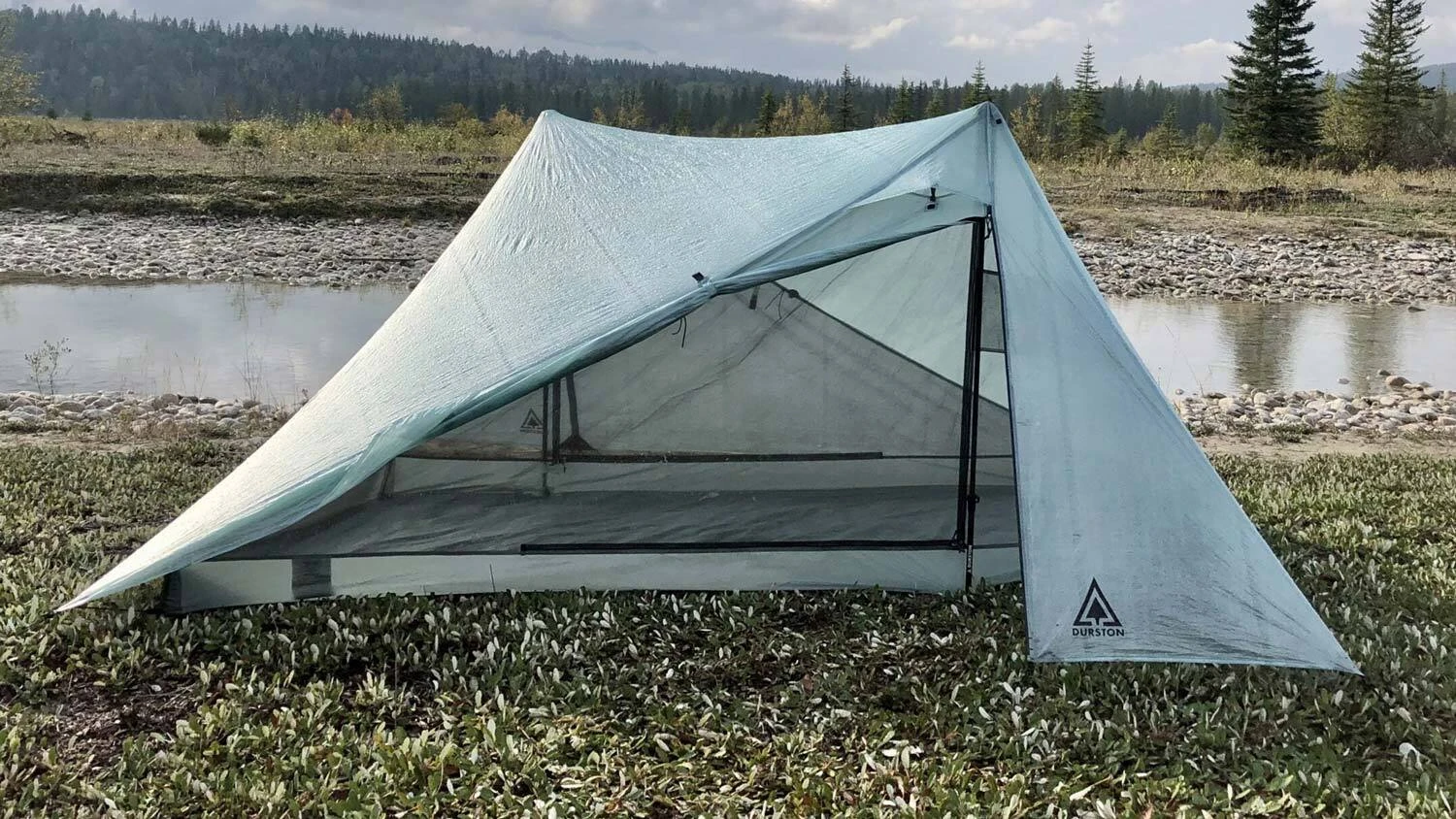
Hyperlite Mountain Gear Unbound 2
Gossmar Gear The One & The Two
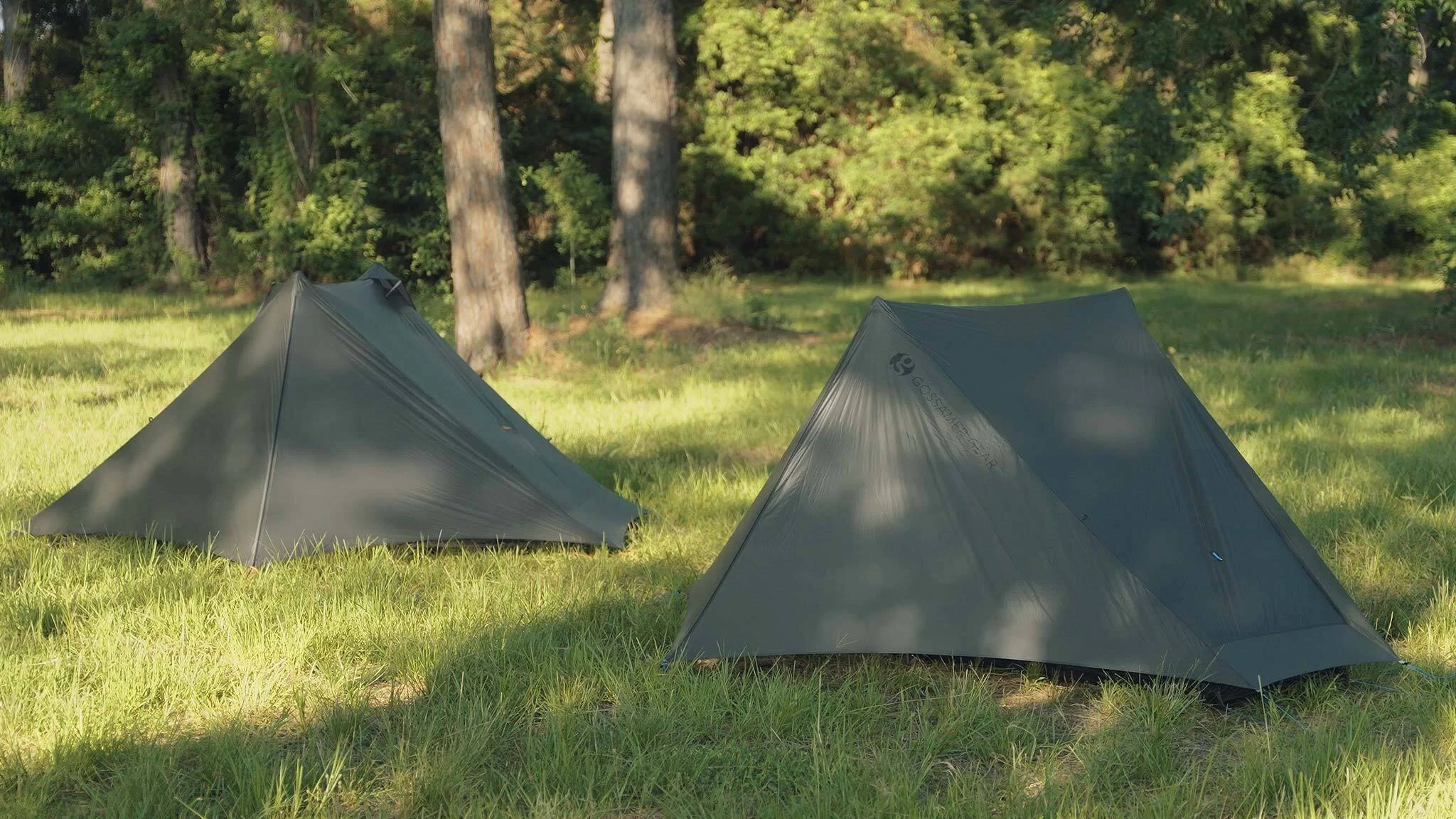
Gossamer Gear’s The Two weighs 798g. It fits two regular sleeping mats and still gives each person their own door and vestibule. I spent a fortnight in the previous version on a TGO crossing and really liked how simple it was to live with. Condensation was generally manageable, although I had one particularly damp night inside it at Braemar.
The current version has updated roof ventilation and an improved pitch, and it is also a significant step down in price from the DCF two-person tents. If you are happy to carry a bit more weight, that makes it a very interesting option.
If you use two wide mats, the standard Durston X-Mid 2 makes more sense. Its 132cm floor takes two 64–65cm mats, and at 964g you also get a separate mesh inner. For two people using the tent regularly, I think that extra room is worth having.
Freestanding solo tents
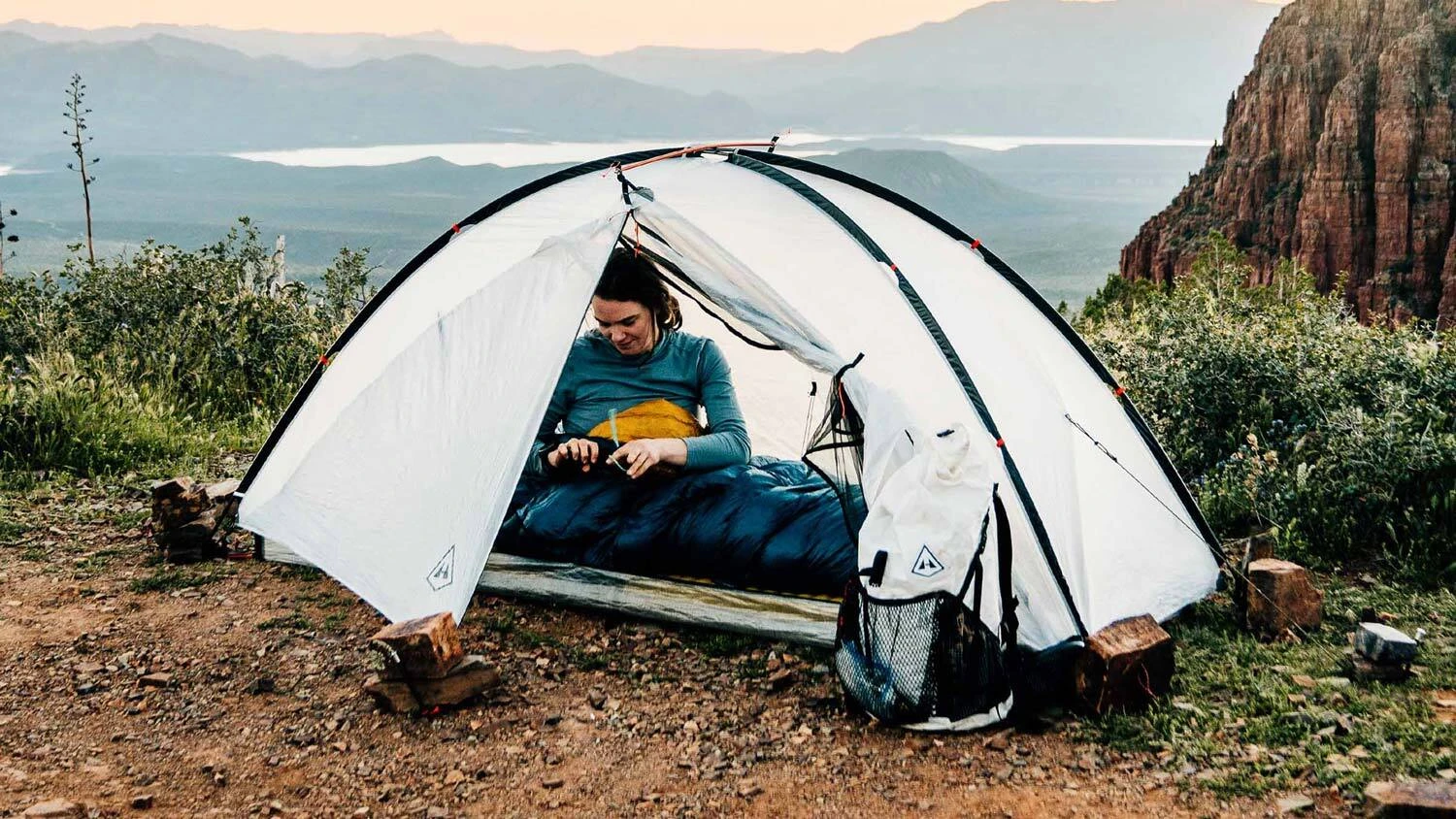
The Hyperlite Mountain Gear CrossPeak 1 is the lightest freestanding solo option here at 820g. It combines a single-skin DCF body with an aluminium pole structure, giving you a 223cm floor and 107cm of peak height.
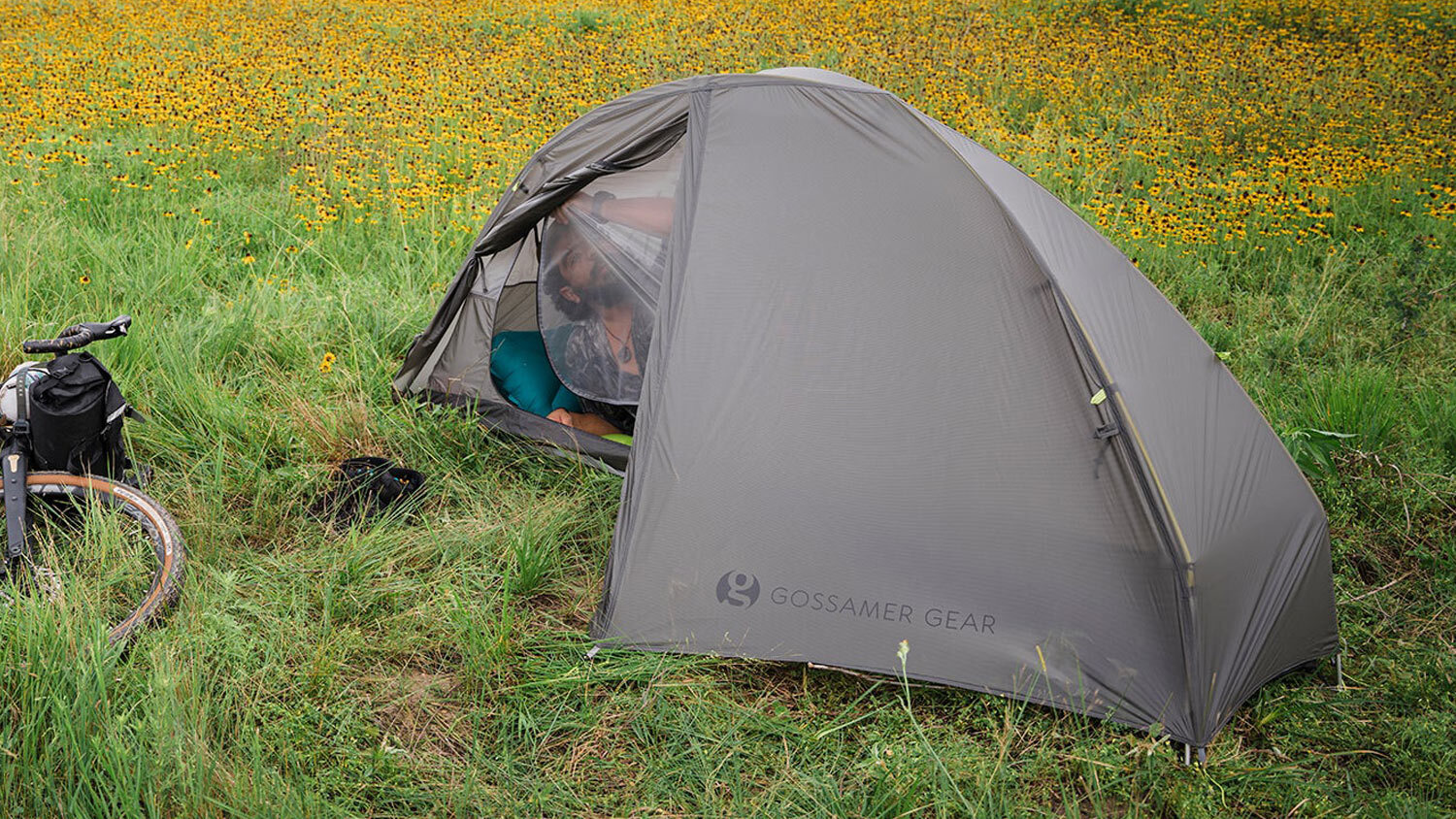
Gossamer Gear’s The Free weighs 850g, only 30g more, but takes a more conventional double-wall approach with a separate mesh inner. The floor is fairly compact and tapers towards the foot. The main structure is freestanding, although you still need to peg out the vestibule.
Hyperlite Mountain Gear CrossPeak 1
Gossamer Gear The Free
The Durston X-Dome 1+ is the heaviest at 1071g, but it is also the roomiest. There is useful space alongside your sleeping at for kit, and the external frame means the fly and inner can go up together, helping protect the interior when pitching in bad weather.
For me, this category is really about what matters most. The CrossPeak 1 keeps the weight down, the Free gives you a separate inner without adding much more, and the X-Dome 1+ gives you considerably more living space. On a longer trip, I can see that extra room being worth the weight.
Durston X-Dome 1+
Which would I choose?
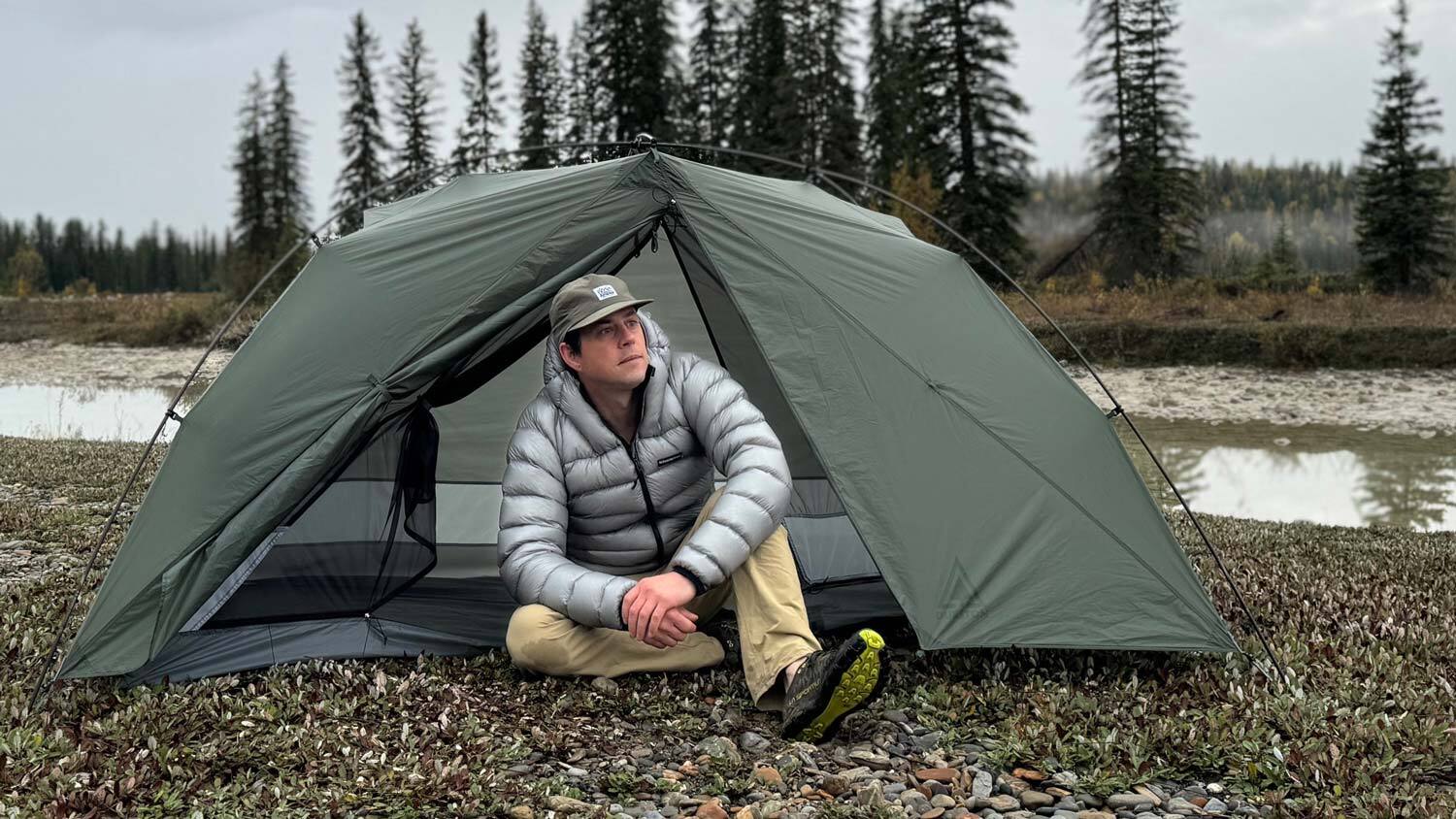
For me, the Durston X-Mid 1 is the best all-rounder here. It strikes the right balance between weight, space and price, with loads of usable headroom, two doors, two vestibules and a separate inner without the weight getting out of hand.
For my own longer trips, though, I would be very tempted by the X-Mid Pro 2. At 567g with the woven floor, it gives you a huge amount of space for very little weight. The longer I spend in a tent, the more I value having room for kit and somewhere comfortable to sit out bad weather.
Hyperlite Mountain Gear Mid 1
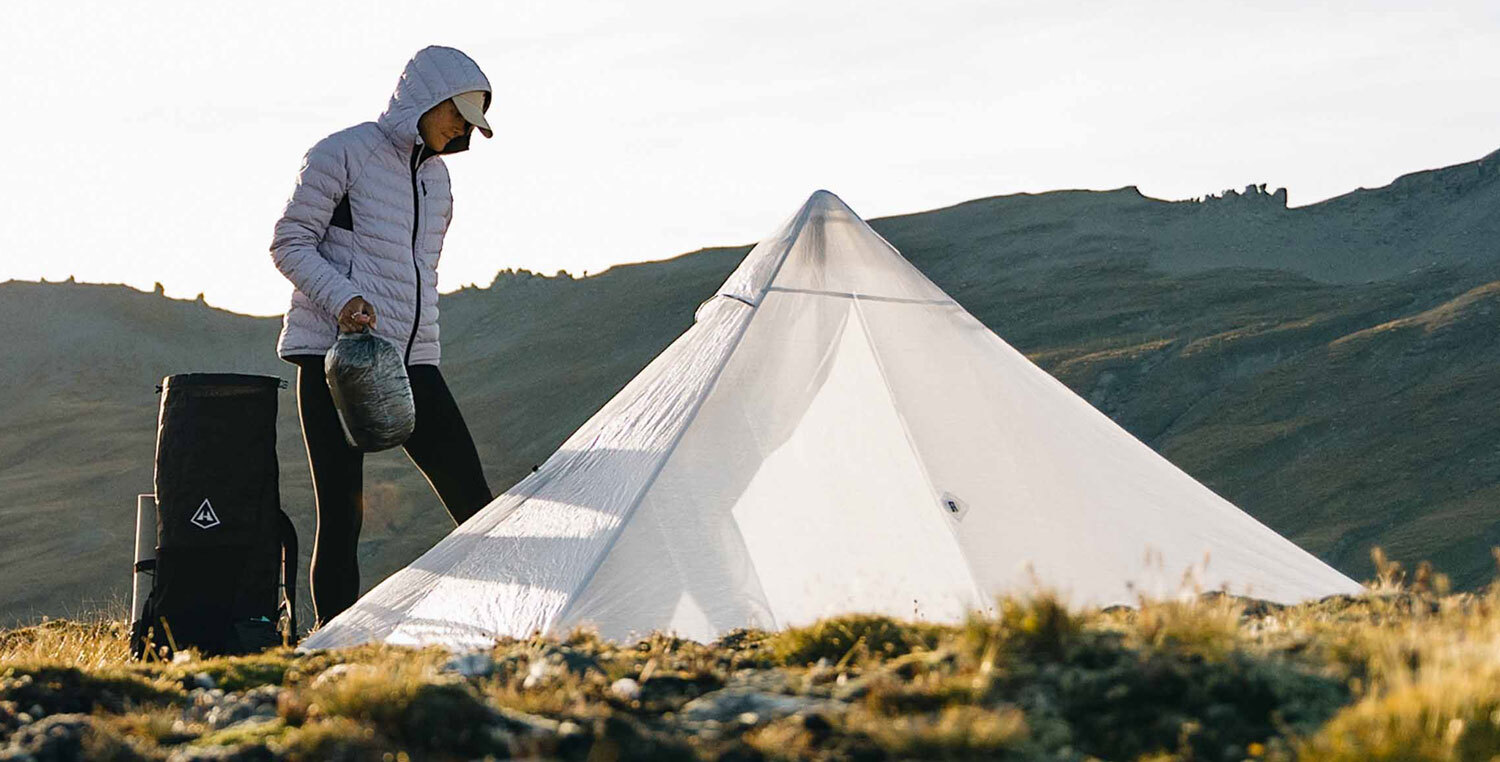
The Hyperlite Mountain Gear Mid 1 also really surprised me. I used one for two weeks on the TGO Challenge and loved the space it offered for the weight, especially the huge vestibule and headroom. Gossamer Gear's The Two was another excellent long-distance shelter, and the current version improves ventilation and pitching while remaining considerably cheaper than the DCF options.
For two people, I would start with your sleeping mats. The standard X-Mid 2 and X-Dome 2 both comfortably fit two wide mats, while the lighter Pro 2 and The Two are more restrictive. If I wanted a freestanding solo tent, I would probably choose the X-Dome 1+ for its extra space, separate inner and practical pitching system.
Ultimately, there is no single winner across every category, but the X-Mid 1 is the tent I would recommend to most solo backpackers. For a longer trip where I wanted more living space and was happy to spend more to keep the weight down, I would choose the X-Mid Pro 2.
 |
||
 |
||
| Andy Neil |
||
|
Andy has been a keen long-distance hiker and wild camping enthusiast since he completed the Cleveland Way in 2015. Since then, he has walked thousands of trail miles all over the UK and is an active member of the Wild Camping UK community, being an admin of the largest wild camping community on Facebook. He strongly advocates for responsible wild camping and believes it is important to leave no trace when camping in the wilderness. He joined the UOG team in 2021 and works as a website developer and content creator. |
||
Durston, Hyperlite Mountain Gear and Gossamer Gear make some of the lightest backpacking tents available, but they approach it differently. Some prioritise the lowest possible weight, others offer more space, more vestibules, or a separate inner, and the materials used can also make a big difference to the weight and price. The right choice depends on how you camp, how much space you want, whether you prefer a separate inner, how you feel about trekking-pole shelters and how much weight you are really trying to save.